

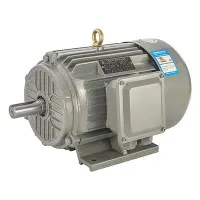
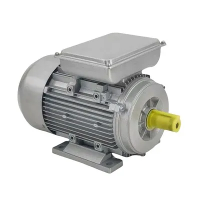
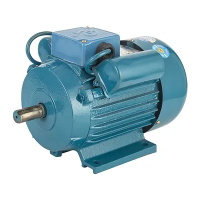
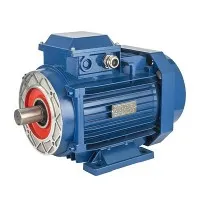
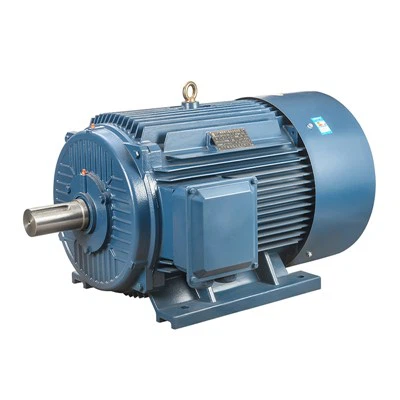
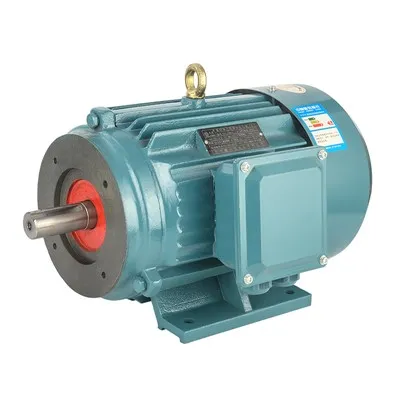
YE3 YE4 High Efficiency Electric Motor
Why Choose Us
Quality and Reliability
Zhejiang Guangyue Motor Co., Ltd. is known for its high quality and reliable motor products. The company adopts advanced manufacturing process and strict quality control system in the production process to ensure stable performance and long life of the products.
Technological Innovation
Guangyue Electric continues to invest in research and development, and is committed to technological innovation and product upgrading. Through the introduction of new technologies and processes, the company continues to introduce new products to meet market demand and improve product competitiveness.
Rich Product Line
Zhejiang Guangyue Electric Machinery Co., Ltd. offers a wide range of motor products to meet the needs of different industries and applications. The rich product line allows customers to be more flexible in their choices and meet diversified needs.
Service and Support
The company has a perfect pre-sales, sales and after-sales service system to provide customers with a full range of support. Professional sales team and technical support team provide customers with timely advice and solutions to ensure that customers get a good experience in the process of use.
High efficiency electric motor, also called “high performance motors” comply with the efficiency levels established by the new IEC 60034-30 regulation. They are made in appropriately selected materials in order to minimize energy waste and thus increasing the overall efficiency of the motor.


Advantages of Using High Efficiency Electric Motors
Lower operating costs
High-efficiency electric motors use less energy than traditional motors, which means businesses can save money on their electricity bills. In fact, a high-efficiency motor can use up to 50% less energy than a traditional motor, depending on the application. Over time, the energy savings can add up to significant cost savings for businesses.
Reduced maintenance costs
High-efficiency electric motors are designed to operate at cooler temperatures, which can help extend their lifespan and reduce the need for maintenance. This means that businesses can save money on maintenance costs, as well as downtime and lost productivity due to motor failures.


Improved performance
High-efficiency electric motors are designed to provide the same level of performance as traditional motors, but with less energy consumption. This means that businesses can reduce their energy costs without sacrificing performance or productivity.
Reduced environmental impact
Using high-efficiency electric motors can also help businesses reduce their environmental impact by reducing their energy consumption and carbon emissions. This can help businesses meet their sustainability goals and reduce their carbon footprint.
How Premium Efficiency Motors Conserve Energy
In order to minimize and balance the common energy/power losses listed above, premium efficiency motors must be designed by manufacturers who have plenty of knowledge and experience in test facilities with precision instrumentation.
Premium efficiency motors are designed by including more iron and copper material than is used on standard electric motors. As a result, premium efficiency motors are typically larger and heavier than standard electric motors. Other common characteristics of premium efficiency motors include:
• Higher slot fill in the copper winding
• Thinner laminations of improved steel properties
• Reduced air gap
• Optimized cooling fan designs
• Special & improved bearings
Copper is a valuable material in a premium efficient design because it produces higher electrical conductivity compared to other metallic conductors. Manufacturers can increase a motor’s electrical energy efficiency if they increase the mass and cross section of copper in its coil winding.
Adding materials: Increase the outer diameter of the core, increase the length of the core, increase the size of the stator groove, and increase the weight of the copper wire to achieve the purpose of improving efficiency. For example, the Y2-8024 motor increases the outer diameter from the current Φ120 to Φ130. Some foreign countries increase Φ145 and increase the length from 70 to 90. The amount of iron used in each motor is increased by 3Kg. The copper wire is increased by 0.9Kg.
2. Silicon steel sheets with good magnetic permeability are used. In the past, hot-rolled sheets with large iron loss have been used, and high-quality cold-rolled sheets with low loss, such as DW470, are now used. Even lower DW270.
3. Improve processing accuracy.
4. Optimize the electrical performance parameters of the motor and optimize the parameters by changing the groove shape.
5. Using cast copper rotor (process is complex, high cost).

Features of High Efficiency Electric Motor
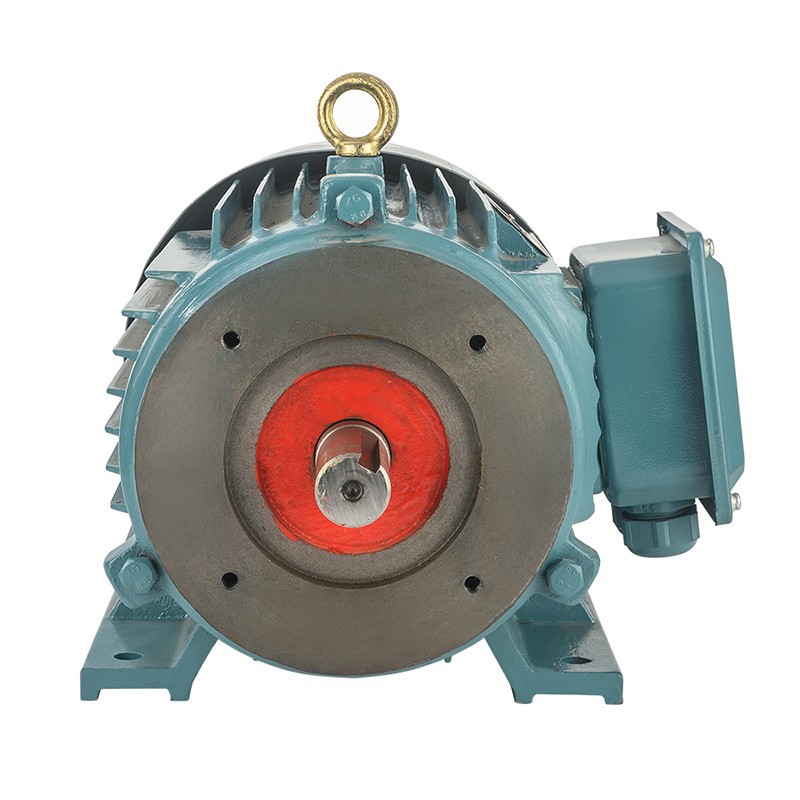
1. It saves energy and reduces long-term operating costs. It is very suitable for textiles, fans, pumps and compressors. It can recover the cost of motor purchase by one year of saving electricity;
2. Directly start, or use the frequency converter to adjust the speed, can completely replace the asynchronous motor;
3. Motor power factor is close to 1, improve the quality factor of the power grid, no need to add power factor compensator;
4. The motor current is small, saving transmission and distribution capacity and extending the overall operating life of the system;
5. Power-saving budget: Take 55Kw motor as an example, high-efficiency motor is 15% more energy-efficient than the general motor. The electricity cost is calculated at 0.5 Yuan per degree. The energy-saving motor can be used to recover the cost of replacing the motor within one year.
Routine maintenance
Routine inspections and meticulous cleaning are the cornerstone of effective electric motor maintenance. It's imperative to conduct regular examinations for any signs of wear, debris, or dirt so you can ensure optimal performance and optimal use of your electric motor.
For accumulated debris or dirt, adhere to a scheduled routine cleaning for your machine or appliance. Consistent cleaning practices prevent the build-up of contaminants, which could compromise the overall performance of your motor. Additionally, maintaining cleanliness in the surrounding area is paramount to reducing the risk of external contaminants entering the motor, ensuring smooth and uninterrupted operation.
If wear and tear issues are identified during routine inspections, it's advisable to seek professional assistance promptly. Having a certified professional assess the equipment can help address potential problems before they escalate, safeguarding your electric motor's overall performance and longevity. Proactive measures and timely interventions are key to ensuring the seamless operation of your motor over its extended lifespan.
Vibration analysis
Excessive vibration is particularly a concern for AC motors, where it can be a mechanically and electrically destructive force. As such, vibration analysis tools, such as vibration meters, are invaluable for detecting misalignments, imbalance, and other issues that can lead to premature motor failure. Maintenance professionals can identify problems early by monitoring vibrations regularly and facilitating timely interventions. Addressing these issues right away can improve your electric motor's overall efficiency and lifespan.
Temperature monitoring
Monitoring the temperature of your electric motor is a proactive maintenance approach to prevent it from overheating. Excessive heat can lead to insulation degradation, bearing failure, and other issues that shorten the motor's lifespan. There are many reasons why the motor will overheat, which include excessive load placed on the motor, poor power conditions, excessive stops and starts, and environmental influences.
Lubricate your ac & dc motors
Bearings are a common point of failure for electric motors due to poor lubrication practices. As such, proper lubrication of your AC or DC motors should be an essential part of your maintenance practice. The first step is to know which type of lubricant is appropriate for your electric motor. Factors to consider when choosing your lubricant are the horsepower of the electric motor, application, and ambient temperature.
For example, oil is the best type of lubricant for a gear motor that’s widely used in industrial applications. It is an optimal lubricant because it is free-flowing and constantly found on the surfaces of the teeth as the motor runs. On the other hand, grease is the best type of lubricant for smaller AC and DC gear motors as it is simple to apply and does not require visual lubrication inspections.
When lubricating your electric motor's bearings, ensure the manufacturer’s operating instructions and any additional instructions are followed. While lubrication is critical, excessive grease or oil can damage the motor.
Training and education
Training and education are among the most effective ways to ensure the proper use and maintenance of electric motors. Educating your staff so they have the knowledge and skills required to operate and care for appliances with AC and DC motors enhances their understanding of the equipment. Well-trained personnel are more likely to follow best practices, minimizing the risk of human error and promoting a culture of proactive maintenance.
How to Choose an Electric Motor


Torque
Suitable torque is necessary for driving electric motor startup and acceleration speeds. Applications require varying amounts of force to start up and accelerate load to a specific rate in a set time. You’ll need to consider a piece of equipment’s torque requirements when choosing an electric motor to ensure it can operate without excessive strain.
Speed
Your electric motor’s output speed must be compatible with your needs. Some electric motors suit high-speed applications, while others are better for moderate- to low-speed processes. Your application might also require adjustable controls that accommodate specific increments. Understanding different motor designs and output capabilities is vital for selecting a suitable range for your applications:
• Industrial AC horizontal electric motors: Horizontal AC motors are widely used in applications such as pumps, compressors, fans, conveyors and other machines that require continuous and reliable mechanical power. These motors offer high efficiency, durability and the ability to operate under demanding conditions.
• Industrial DC electric motors: DC electric motors are commonly used in applications that require precise control of speed and torque, such as robotics, CNC machines and conveyor systems. Advantages of these motors include ample starting torque, adjustable speed and relatively simple control mechanisms.
• Industrial AC vertical electric motors: AC vertical electric motors are designed to handle the challenges of vertical applications, such as the weight of the rotating parts and the thrust load from the pump or compressor. They are built with robust construction and specialized features to ensure reliable and efficient operation in these demanding environments.
Power source
Do you need an AC or DC motor? Selecting a suitable power source is vital for running your equipment effectively. DC motors allow for fine speed control since their rpm output is directly affected by the amount of voltage supplied. AC motors require a variable frequency drive for speed variation but offer greater efficiency. An AC motor tends to excel in low- to medium-speed operations, while DC performs better when higher speeds are needed.
Speed settings
Does the motor offer different speed ranges and control settings? Some applications require a definite operating speed, while others need adjustable rates. You can add a controller or drive to your DC or AC electric motor to manage torque and rotation. A controller can also regulate different application speeds, weights and loads.
Operating lifetime
The motor’s operating lifetime determines the life span of a product or tool. Consider how long you’ll need the motor to last and how much time and money you plan to put into maintaining it. Brushless DC and stepper motors have fewer wear components and tend to last longer, while brushed DC motors deteriorate more quickly.
Duty cycle
The duty cycle determines how long the motor can run over production cycles. You might run applications continuously or over short periods. A longer run time will require a motor with a higher duty cycle to ensure you don’t lose power. You can use a smaller motor if you only need it intermittently and it will have enough rest time to return to ambient temperature.
The environmental temperature will affect a motor’s duty cycle, as the objective behind limiting run time is preventing overheating and any resulting damage.
Enclosure ranking
The enclosure ranking depends on the conditions a motor must operate under. Consider the environment surrounding the installation — will the motor be exposed to moisture, dirt, debris or extreme heat? Neglecting to provide proper protection during installation is one of the most common causes of motor failure.
You’ll need suitable protection for your motor depending on your working conditions. For example, food and beverage industries might need stainless steel castings to protect machinery motors from spills, corrosion and wear.
Voltage
Some electric motors can run on batteries or a power outlet. Depending on the facility, you’ll need to decide if you’ll connect a motor to the power grid, inverter or batteries. The voltage must be compatible with your motor if you use a wall socket or outlet. Smaller tools and lower power applications can use standard voltage, but you will likely need to draw more power for industrial motors.
Performance temperatures
Depending on your working conditions, a motor can require climate protection. Consider the temperature of the facility. Is it a hot or cold environment? Understanding the climate will help you select a motor with suitable materials or coverings.
Noise levels
Whether noise is a concern will depend on where you’re using the motor. You might select a model geared for noise reduction if the installation will be in a public area like a hospital.
Our Factory
Zhejiang Guangyue Motor Co., Ltd. was founded in 2016 and located in Taizhou, Zhejiang ,China.Our company is a high-tech enterprise specializing in the production of three phase asynchronous motors such as YE2 / YE3 series high efficient motors,marine motors,infrared bridge cutting motor, high pressure washer motors,variable frequency motors and brake motors.Our company ensures that all the products adhere to the IEC standards,positioning them at the forefront of global motor product standards. Products are well received by customers at home and abroad.
With well-known vibration motor engineers in the mainland as the core technology research and development team, we have successfully developed 28 series and more than 300 models of electric motors to meet the needs of different industries. Our company has 45 patents, CE and ISO9001 certificates. Strong research and development strength can meet customer customized motor varieties. The company has introduced a number of advanced production lines,with an annual output of about 200,000 units, strong production capacity and timely delivery, providing AC motors and motor control solutions to more than 2000 customers in more than 60 industries. Provide professional pre-sales and after-sales work.Sincerely welcome to visit our company,we'd like to cooperate with all the customers to create splendid future! We will do the best for you !