

Hey there! As a supplier of IE4 Ultra High Efficiency Asynchronous Motors, I often get asked about the temperature rise of these motors during operation. It's a crucial topic, especially for those who rely on these motors for their industrial or commercial applications. So, let's dive right in and explore what causes the temperature rise and how it impacts the performance of IE4 motors.
First off, what exactly is temperature rise in an electric motor? Well, when an IE4 Ultra High Efficiency Asynchronous Motor IE4 Ultra High Efficiency Asynchronous Motor is running, electrical energy is converted into mechanical energy. But this conversion isn't 100% efficient. Some of the electrical energy is lost as heat due to various factors. The temperature rise is the difference between the motor's operating temperature and the ambient temperature.
There are several reasons why an IE4 motor heats up during operation. One of the primary causes is copper loss. In the motor's windings, there's resistance to the flow of electric current. According to Joule's law, when current passes through a resistor (in this case, the motor windings), heat is generated. The amount of heat produced is proportional to the square of the current and the resistance of the windings. So, if there's a high current flowing through the windings or if the resistance is relatively high, more heat will be generated. That's why using high - quality copper in the windings, like in our Energy Saving Complete Copper 380V Motor, can help reduce copper loss and thus control the temperature rise.
Another factor is iron loss. This occurs in the motor's magnetic core. When the magnetic field in the core changes (which happens constantly as the motor operates), it causes hysteresis and eddy currents. Hysteresis loss is due to the energy required to change the magnetic orientation of the core material, while eddy current loss is caused by the circulating currents induced in the core. These losses result in heat generation, contributing to the motor's temperature rise.
Friction and windage also play a role. Friction occurs between the moving parts of the motor, such as the bearings and the shaft. Windage is the resistance encountered by the motor's rotating parts as they move through the air. Both friction and windage generate heat, adding to the overall temperature increase of the motor.
Now, why is it important to keep an eye on the temperature rise of an IE4 Ultra High Efficiency Asynchronous Motor? Well, excessive temperature rise can have a significant impact on the motor's performance and lifespan. High temperatures can cause the insulation of the motor windings to degrade more quickly. Over time, this can lead to short - circuits and motor failure. It can also affect the lubrication in the bearings, reducing their effectiveness and increasing wear and tear.
In addition, the efficiency of the motor can be affected by high temperatures. As the temperature rises, the resistance of the windings increases, which in turn leads to more copper loss. This means that the motor has to consume more electrical energy to produce the same amount of mechanical energy, reducing its overall efficiency.
So, how can we control the temperature rise of an IE4 motor? One way is through proper ventilation. Motors are usually equipped with cooling fans or other ventilation systems to dissipate the heat. Ensuring that the ventilation openings are not blocked and that the cooling system is working effectively is essential.
Another approach is to select the right motor for the application. Using a motor with a higher power rating than necessary can lead to lower current and less heat generation. It's also important to follow the manufacturer's guidelines for installation and operation, including proper alignment and tensioning of belts or couplings.
Let's talk about the specific temperature rise limits for IE4 motors. These limits are defined by international standards. For example, in many cases, the maximum allowable temperature rise for the motor windings is around 80 - 100 degrees Celsius above the ambient temperature. However, this can vary depending on the type of insulation used in the motor.

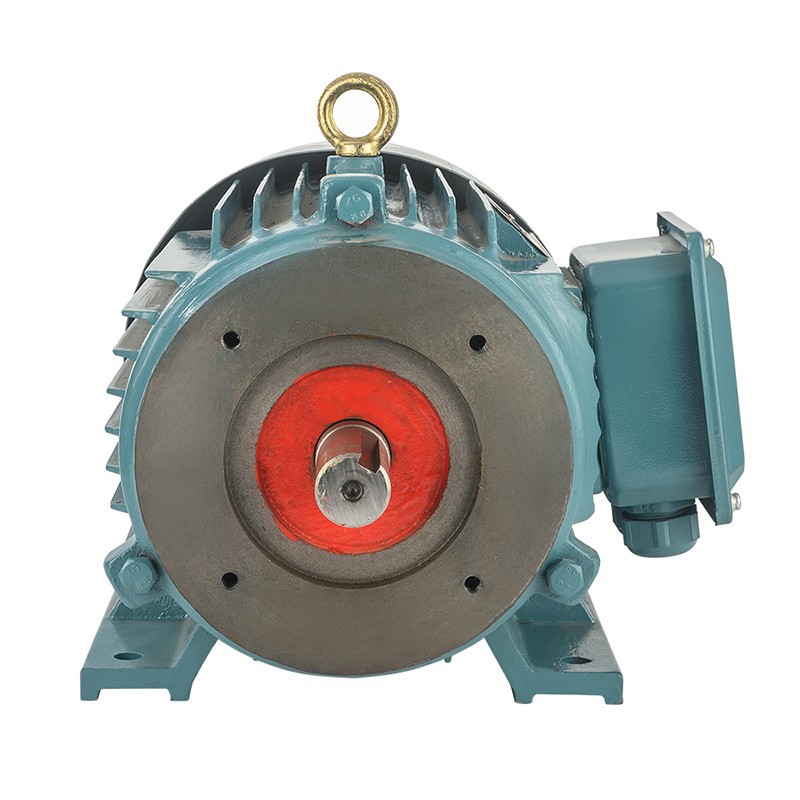
Our IE4 Ultra High Efficiency Asynchronous Motors are designed to meet these standards and minimize temperature rise. We use advanced materials and manufacturing techniques to reduce copper and iron losses. For instance, our Water Pump Electric Motor Winding Motor is built with high - quality copper windings and a well - designed magnetic core to ensure efficient operation and low temperature rise.
If you're in the market for an IE4 Ultra High Efficiency Asynchronous Motor, it's crucial to consider the temperature rise characteristics. A motor with low temperature rise not only operates more efficiently but also has a longer lifespan, which can save you money in the long run.
We understand that every application is unique, and we're here to help you find the right motor for your needs. Whether you're looking for a motor for a water pump, a conveyor system, or any other industrial application, our team of experts can provide you with the best solutions.
If you're interested in learning more about our IE4 motors or have any questions regarding temperature rise or other aspects of motor operation, don't hesitate to reach out. We're more than happy to have a detailed discussion with you and guide you through the purchasing process. Let's work together to find the perfect motor for your business and ensure its smooth and efficient operation.
References:
- Electrical Machinery Fundamentals by Stephen J. Chapman
- Electric Motors and Drives: Fundamentals, Types, and Applications by Austin Hughes and Bill Drury


