

As a supplier of the YS 2800RPM 2 Poles Aluminum Frame AC Motor, I understand that motor overheating can be a common and frustrating issue for users. In this blog post, I will share some practical troubleshooting steps to help you address this problem effectively.
Understanding the Basics of the YS 2800RPM 2 Poles Aluminum Frame AC Motor
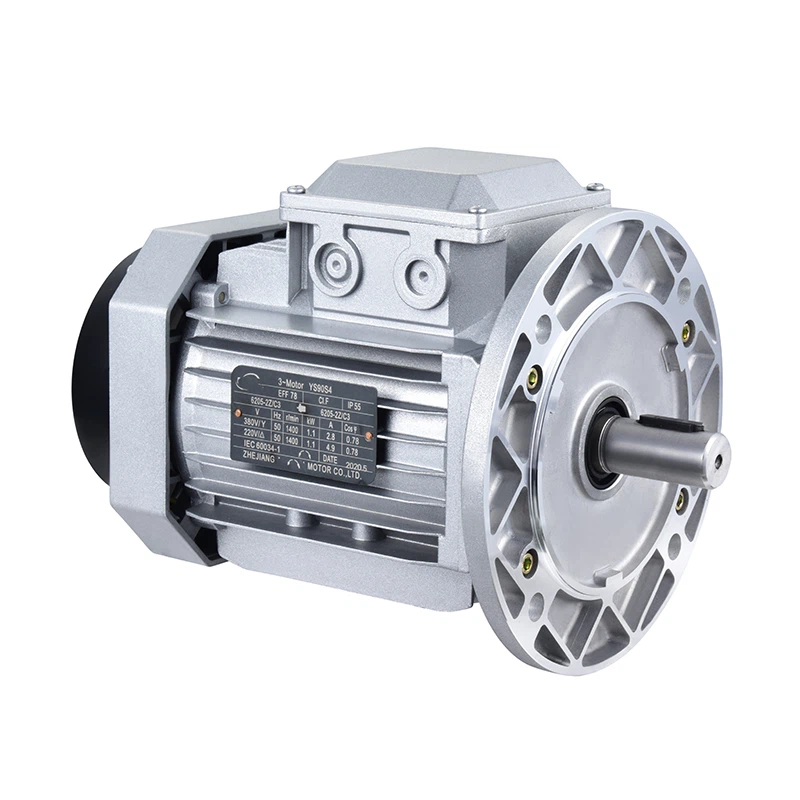
Before we dive into troubleshooting, let's briefly understand the key features of the YS 2800RPM 2 Poles Aluminum Frame AC Motor. This motor is designed to operate at a speed of 2800 RPM with 2 poles and features an aluminum frame, which offers several advantages such as lightweight, good heat dissipation, and corrosion resistance. It is commonly used in various industrial and commercial applications.
Common Causes of Motor Overheating
- Overloading
- One of the most common causes of motor overheating is overloading. When the motor is required to drive a load that exceeds its rated capacity, it has to work harder, which generates more heat. For example, if the motor is supposed to drive a conveyor belt with a certain weight capacity but is loaded with more weight, the motor will experience excessive stress.
- To check for overloading, you can refer to the motor's nameplate, which indicates the rated power and current. Use a clamp meter to measure the actual current drawn by the motor. If the measured current is significantly higher than the rated current, it is a sign of overloading.
- Poor Ventilation
- Adequate ventilation is crucial for the motor to dissipate heat effectively. If the motor is installed in a confined space or if the ventilation openings are blocked, the heat generated during operation cannot be released properly, leading to overheating.
- Inspect the motor's ventilation system, including the cooling fins and fans. Make sure there are no obstructions such as dust, debris, or other objects blocking the airflow. If the motor has a fan, check if it is rotating freely and providing sufficient airflow.
- Electrical Issues
- Faulty electrical connections can also cause motor overheating. Loose or corroded connections can increase the resistance in the circuit, resulting in more heat generation. Additionally, problems with the power supply, such as voltage fluctuations or unbalanced phases, can put additional stress on the motor.
- Check all the electrical connections, including the terminals and wiring, for tightness and signs of corrosion. Use a multimeter to measure the voltage at the motor terminals. The voltage should be within the acceptable range specified on the motor's nameplate. If there are significant voltage fluctuations or unbalanced phases, contact an electrician to address the issue.
- Mechanical Problems
- Mechanical issues such as worn bearings or misaligned shafts can cause the motor to work harder and generate more heat. Worn bearings can increase the friction, while misaligned shafts can cause the motor to vibrate, both of which contribute to overheating.
- Listen for any abnormal noises coming from the motor, such as grinding or squeaking sounds, which may indicate mechanical problems. Check the bearings for signs of wear, such as excessive play or roughness. If the shaft is misaligned, it may need to be realigned using appropriate tools.
- Incorrect Lubrication
- Proper lubrication is essential for the smooth operation of the motor's moving parts. Insufficient or excessive lubrication can lead to increased friction and heat generation.
- Refer to the motor's manual for the recommended lubrication schedule and type of lubricant. Check the lubrication level and condition of the bearings. If necessary, add or change the lubricant according to the manufacturer's instructions.
Troubleshooting Steps
- Initial Inspection
- Start by visually inspecting the motor for any obvious signs of damage or problems. Look for burned insulation, loose parts, or any other visible issues. Check the motor's surroundings for any potential sources of overheating, such as nearby heat sources or blocked ventilation.
- Check the Load
- As mentioned earlier, overloading is a common cause of motor overheating. Review the application to ensure that the motor is properly sized for the load. If possible, reduce the load on the motor to see if the overheating problem improves.
- Verify the Ventilation
- Clean the ventilation openings and cooling fins to remove any dust or debris. Make sure the motor has enough space around it for proper airflow. If necessary, install additional ventilation equipment, such as fans or ducts, to improve the cooling.
- Inspect the Electrical Connections
- Tighten any loose electrical connections and clean any corroded terminals. Check the power supply for voltage stability and balanced phases. If you are not familiar with electrical work, it is recommended to hire a qualified electrician to perform these checks.
- Check the Mechanical Components
- Examine the bearings and shafts for signs of wear or damage. If the bearings are worn, replace them with new ones. If the shaft is misaligned, realign it using a dial indicator or other appropriate tools.
- Monitor the Temperature
- After performing the above steps, monitor the motor's temperature during operation. You can use a temperature sensor or an infrared thermometer to measure the temperature. If the temperature continues to be high or if the overheating problem persists, further investigation may be required.
Preventive Measures
- Proper Installation
- Ensure that the motor is installed correctly, following the manufacturer's instructions. Provide adequate space for ventilation and make sure the motor is mounted securely to prevent vibration.
- Regular Maintenance
- Establish a regular maintenance schedule for the motor, including cleaning, lubrication, and inspection. This can help detect and address potential problems before they lead to overheating.
- Load Management
- Avoid overloading the motor by properly sizing it for the application. If the load requirements change, consider upgrading the motor or adjusting the system accordingly.
Conclusion
Motor overheating can be a serious problem that can lead to reduced motor life and even equipment failure. By understanding the common causes of overheating and following the troubleshooting steps outlined in this blog post, you can effectively address the issue and keep your YS 2800RPM 2 Poles Aluminum Frame AC Motor running smoothly.
If you are experiencing persistent overheating problems or if you need further assistance, please feel free to contact us. We are a reliable supplier of high-quality motors, including the Three Phase 380v Aluminum Motor Foot Mounting and 100L-4 2.2KW Squirrel Cage Aluminum Electric Motor. Our team of experts is ready to provide you with professional advice and solutions. Whether you are looking to purchase a new motor or need help with motor troubleshooting, we are here to support you. Contact us today to start the procurement negotiation process and find the best motor solution for your needs.

References
- Motor Manufacturer's Manual
- Electrical Engineering Handbooks
- Industrial Motor Application Guides


