

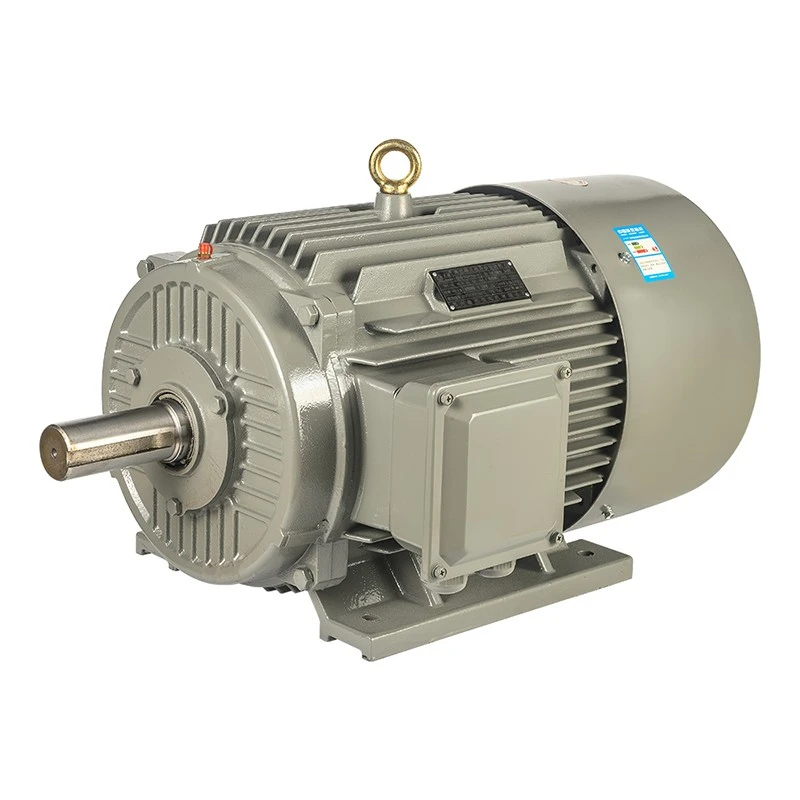
Measuring the vibration amplitude of a YE2 series electric motor is a crucial task for ensuring its proper operation, longevity, and safety. As a supplier of YE2 series electric motors, I understand the significance of accurate vibration amplitude measurement in maintaining the quality and performance of our products. In this blog post, I will discuss the methods and importance of measuring the vibration amplitude of a YE2 series electric motor.
Why Measure Vibration Amplitude?
Vibration is a common phenomenon in electric motors, and it can be caused by various factors such as unbalanced rotors, misaligned couplings, worn bearings, or mechanical resonance. Excessive vibration can lead to several problems, including:
- Reduced efficiency: Vibration can cause additional energy losses, reducing the motor's overall efficiency and increasing energy consumption.
- Premature wear and tear: Continuous vibration can accelerate the wear of motor components, such as bearings, shafts, and couplings, leading to premature failure and costly repairs.
- Noise and discomfort: High levels of vibration can generate excessive noise, which can be a nuisance in industrial and residential environments and may also pose a health risk to workers.
- Safety hazards: Severe vibration can cause mechanical damage to the motor and its surrounding equipment, potentially leading to safety hazards and accidents.
By measuring the vibration amplitude of a YE2 series electric motor, we can detect early signs of problems and take corrective actions before they escalate into major issues. This helps to ensure the reliable operation of the motor, minimize downtime, and extend its service life.
Methods of Measuring Vibration Amplitude
There are several methods available for measuring the vibration amplitude of a YE2 series electric motor. The choice of method depends on various factors, such as the type of motor, the level of accuracy required, and the available resources. Here are some commonly used methods:
1. Vibration Sensors
Vibration sensors, also known as accelerometers, are the most commonly used devices for measuring vibration amplitude. These sensors convert mechanical vibrations into electrical signals, which can be analyzed to determine the vibration amplitude, frequency, and other parameters.
There are different types of vibration sensors available, including piezoelectric, piezoresistive, and capacitive sensors. Piezoelectric sensors are the most widely used type due to their high sensitivity, wide frequency range, and low cost.
To measure the vibration amplitude of a YE2 series electric motor using a vibration sensor, the sensor is typically mounted on the motor housing or a specific location on the motor where the vibration is most likely to occur. The sensor is then connected to a data acquisition system, which records and analyzes the vibration signals.
2. Laser Doppler Vibrometers
Laser Doppler vibrometers (LDVs) are non-contact devices that use laser light to measure the vibration amplitude of a surface. These devices work by measuring the Doppler shift of the laser light reflected from the vibrating surface.
LDVs offer several advantages over traditional vibration sensors, including high accuracy, non-contact measurement, and the ability to measure vibration at multiple points simultaneously. However, they are more expensive and require more complex setup and calibration.
To measure the vibration amplitude of a YE2 series electric motor using an LDV, the laser beam is directed at the motor surface, and the reflected light is detected by the LDV. The LDV then analyzes the Doppler shift of the reflected light to determine the vibration amplitude and frequency.
3. Stroboscopes
Stroboscopes are optical devices that use a flashing light to freeze the motion of a vibrating object. By adjusting the flash rate of the stroboscope to match the vibration frequency of the motor, the motor appears to be stationary, allowing the operator to visually inspect the motor for any signs of vibration or misalignment.
Stroboscopes are a simple and cost-effective method for measuring the vibration amplitude of a YE2 series electric motor. However, they are less accurate than vibration sensors and LDVs and are mainly used for qualitative analysis.
Measuring Vibration Amplitude of a YE2 Series Electric Motor
When measuring the vibration amplitude of a YE2 series electric motor, it is important to follow the manufacturer's guidelines and industry standards. Here are the general steps involved in measuring the vibration amplitude of a YE2 series electric motor:
1. Prepare the Motor
Before measuring the vibration amplitude, make sure the motor is properly installed and aligned. Check the motor mounting bolts for tightness and ensure that the motor is securely fastened to its base. Also, check the coupling alignment and make sure the motor and driven equipment are properly connected.
2. Select the Measurement Location
The vibration amplitude of a YE2 series electric motor can vary depending on the location on the motor. Therefore, it is important to select the appropriate measurement location to obtain accurate results.
Typically, the vibration amplitude is measured at the motor bearings, the motor housing, and the coupling. These locations are most likely to experience vibration due to the rotation of the motor shaft and the interaction between the motor and the driven equipment.
3. Install the Vibration Sensor
If you are using a vibration sensor to measure the vibration amplitude, install the sensor at the selected measurement location. Make sure the sensor is properly mounted and secured to the motor surface. Follow the manufacturer's instructions for installing the sensor and connecting it to the data acquisition system.
4. Measure the Vibration Amplitude
Once the vibration sensor is installed, start the motor and allow it to reach its normal operating speed. Use the data acquisition system to record the vibration signals for a sufficient period of time to obtain a representative sample of the vibration.
Analyze the recorded vibration signals to determine the vibration amplitude, frequency, and other parameters. Compare the measured vibration amplitude with the manufacturer's specifications and industry standards to determine if the motor is operating within acceptable limits.

5. Take Corrective Actions
If the measured vibration amplitude exceeds the acceptable limits, take corrective actions to reduce the vibration. This may involve balancing the rotor, realigning the coupling, replacing worn bearings, or making other mechanical adjustments to the motor.
Importance of Regular Vibration Monitoring
Regular vibration monitoring is essential for maintaining the health and performance of a YE2 series electric motor. By monitoring the vibration amplitude over time, we can detect any changes in the vibration characteristics of the motor and take preventive actions before they lead to major problems.
Here are some benefits of regular vibration monitoring:
- Early detection of problems: Regular vibration monitoring allows us to detect early signs of problems, such as unbalanced rotors, misaligned couplings, or worn bearings, before they cause significant damage to the motor.
- Predictive maintenance: By analyzing the vibration data over time, we can predict when a motor is likely to fail and schedule maintenance activities accordingly. This helps to minimize downtime and reduce maintenance costs.
- Improved reliability and safety: By ensuring that the motor is operating within acceptable vibration limits, we can improve its reliability and safety, reducing the risk of accidents and equipment damage.
- Compliance with industry standards: Many industries have specific vibration standards and regulations that must be met. Regular vibration monitoring helps us to ensure that our YE2 series electric motors comply with these standards and regulations.
Conclusion
Measuring the vibration amplitude of a YE2 series electric motor is an important task for ensuring its proper operation, longevity, and safety. By using the appropriate measurement methods and following the manufacturer's guidelines, we can obtain accurate results and detect early signs of problems.
Regular vibration monitoring is also essential for maintaining the health and performance of the motor. By monitoring the vibration amplitude over time, we can predict when a motor is likely to fail and take preventive actions before they lead to major problems.
If you are in the market for a high-quality YE2 series electric motor or need assistance with vibration measurement and monitoring, please [contact us for procurement and further discussions]. We offer a wide range of Low Rpm Electric Motor Three Phase Electric Motor, Three Phase Engine Shaded Pole Asynchronous Motor, and High Efficiency Copper Winding Washing Machine Motor that are designed to meet the highest standards of quality and performance.
References
- ASME PTC 19.15-2016, "Measurement of Vibration"
- ISO 10816-3:2018, "Mechanical vibration — Evaluation of machine vibration by measurements on non-rotating parts — Part 3: Industrial machines with nominal power above 15 kW and nominal speeds between 120 r/min and 15 000 r/min when measured in situ"
- IEEE Std 112-2017, "Standard Test Procedure for Polyphase Induction Motors and Generators"


