

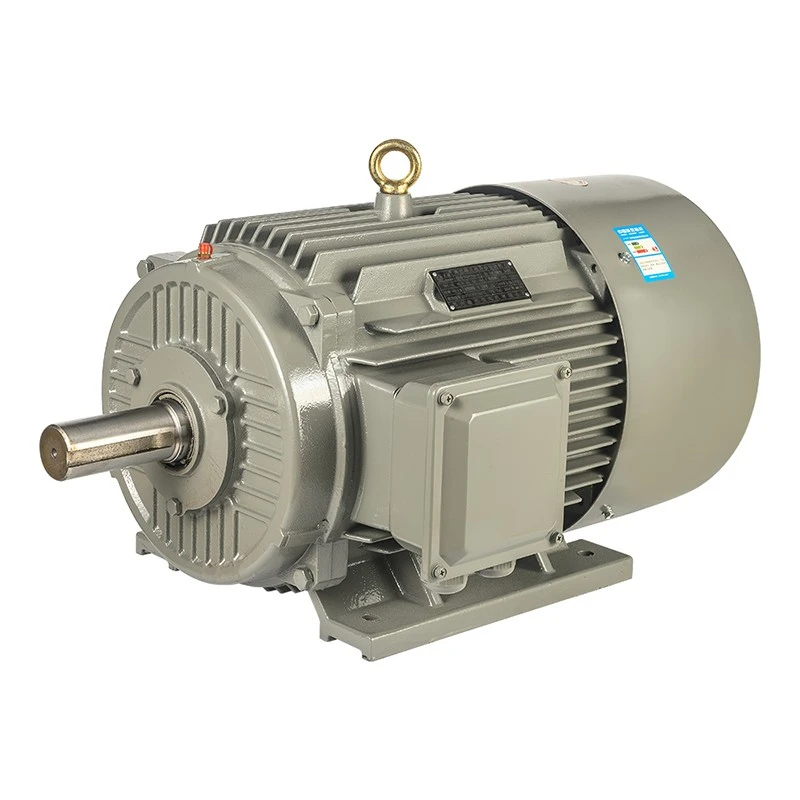
When it comes to industrial and commercial applications, choosing a suitable Three - phase Ac Motor 7.5 Hp 1440 Rpm 5.5 Kw is a crucial decision. As a supplier of these motors, I've witnessed firsthand the impact that a well - chosen motor can have on the efficiency, reliability, and cost - effectiveness of various operations. In this blog, I'll share some key factors to consider when making this important selection.
1. Power Requirements
The first and most obvious aspect is ensuring that the motor's power output is appropriate for your application. A 7.5 Hp (equivalent to approximately 5.5 Kw) motor with 1440 Rpm is a common choice, but its suitability depends on the load it needs to drive.
For instance, if you're using the motor in a conveyor belt system, you need to calculate the power required to move the load at the desired speed. Consider the friction of the belt, the weight of the materials being transported, and any inclines. If the load is too heavy for the motor, it will operate at a high load factor, leading to overheating and premature failure. On the other hand, if the motor is oversized, it will waste energy and may not perform optimally. You can refer to technical manuals or consult with an engineer to accurately determine the power needs of your specific application.

2. Speed and Torque Characteristics
The speed of 1440 Rpm is a standard synchronous speed for a four - pole three - phase AC motor. However, the actual operating speed may vary depending on the load. The torque characteristics of the motor are also critical. Torque is the rotational force that the motor can generate, and it's essential for starting and maintaining the operation of the load.
Some applications, such as crushers or mixers, require high starting torque to overcome the initial inertia of the load. In such cases, you may need a motor with a high starting torque capability. Look for motors with a high locked - rotor torque ratio. It's important to note that motors with high starting torque may have different power consumption profiles compared to those with lower starting torque. If your application requires variable speed control, you can consider using a variable frequency drive (VFD) in conjunction with the motor. A VFD allows you to adjust the speed and torque of the motor according to the needs of the application, providing greater flexibility and energy savings.
3. Efficiency and Energy Consumption
Energy efficiency is not only an environmental concern but also a financial one. A more efficient motor will consume less electricity over its lifespan, resulting in significant cost savings. Look for motors with high - efficiency ratings, such as those that meet the IE (International Efficiency) standards. For example, motors with IE3 or higher ratings are considered to have high energy efficiency.
The design of the motor, including the type of winding (such as copper winding, like in the High Efficiency Copper Winding Washing Machine Motor), can also impact its efficiency. Copper windings generally offer lower resistance and better heat dissipation compared to aluminum windings, leading to higher efficiency. Additionally, motors with improved magnetic circuit designs and reduced iron losses are more energy - efficient.
4. Motor Enclosure and Protection
The environment in which the motor will operate plays a significant role in determining the appropriate motor enclosure. There are several types of enclosures available, each offering different levels of protection against dust, moisture, and other contaminants.
For example, in a harsh industrial environment with high levels of dust and dirt, a Totally Enclosed Fan Cooled (TEFC) enclosure may be necessary. This type of enclosure prevents dust and debris from entering the motor and uses a fan to cool the exterior of the motor. In a wet or corrosive environment, such as a chemical plant or a food processing facility, a Totally Enclosed Non - Ventilated (TENV) or a Weather - Protected (WP) enclosure may be more suitable. These enclosures offer protection against moisture and corrosive substances. Make sure to choose an enclosure that provides adequate protection for the specific conditions of your application to ensure the longevity of the motor.
5. Motor Construction and Quality
The quality of the construction materials and the manufacturing process can greatly affect the reliability and lifespan of the motor. Consider the durability of the frame, the quality of the bearings, and the insulation of the windings.
High - quality motors are often made with robust frames that can withstand vibration and mechanical stress. The bearings should be properly lubricated and have a long service life. Good insulation quality is essential to prevent electrical short - circuits and ensure the safe operation of the motor. Look for motors that are manufactured by reputable companies with a history of producing reliable products. Read customer reviews and testimonials to get an idea of the performance of different motors in real - world applications. Motors like the Three - phase Ac Motor 7.5 Hp 1440 Rpm 5.5 Kw from a reliable supplier can offer peace of mind in terms of quality and performance.
6. Compatibility with Existing Systems
If you're replacing an existing motor or integrating the new motor into an existing system, compatibility is crucial. Check the physical dimensions of the motor to ensure that it can fit into the available space. Also, consider the shaft size and keyway dimensions to ensure that the motor can be easily connected to the load.
In terms of electrical compatibility, make sure that the motor's voltage and frequency ratings match the power supply in your facility. Most three - phase AC motors are designed for standard voltages such as 220V, 380V, or 415V, but it's important to verify. If you're using a motor with a variable frequency drive, ensure that the VFD is compatible with the motor and can provide the necessary control signals.
7. Cost and Total Cost of Ownership
The initial purchase price of the motor is an important consideration, but it's not the only one. The total cost of ownership includes the energy consumption, maintenance costs, and the expected lifespan of the motor.
A more expensive motor with higher energy efficiency may pay for itself over time through energy savings. Similarly, a motor with a longer lifespan and lower maintenance requirements can reduce the overall cost of ownership. Don't just focus on the upfront cost; consider the long - term financial implications of your choice. Compare the costs of different motors, taking into account their features, efficiency, and reliability.
Conclusion
Choosing a suitable Three - phase Ac Motor 7.5 Hp 1440 Rpm 5.5 Kw requires careful consideration of multiple factors. From power requirements and speed characteristics to energy efficiency and compatibility, each aspect plays a vital role in ensuring the optimal performance of your application. As a supplier, I'm committed to providing high - quality motors that meet the diverse needs of our customers. If you're in the process of selecting a motor for your project, I encourage you to reach out for more information and guidance. We can help you make an informed decision and ensure that you get the most suitable motor for your specific requirements. Contact us today to start the procurement and negotiation process.
References
- Electrical Engineering Handbooks for motor technical specifications and calculations.
- Industry reports on energy - efficient motor technologies.


