

Hey there, fellow boating enthusiasts! I'm a supplier in the marine motor industry, and today I want to share some tips on how to balance the propeller of a marine motor. A balanced propeller is crucial for the smooth operation of your boat, as it can reduce vibration, improve fuel efficiency, and extend the lifespan of your motor. So, let's dive right in!
Why is Propeller Balancing Important?
First off, let's talk about why propeller balancing is such a big deal. When a propeller is unbalanced, it creates uneven forces as it rotates. This can lead to excessive vibrations, which not only make your ride uncomfortable but can also cause damage to your boat's motor, shaft, and other components over time. Additionally, an unbalanced propeller can reduce your boat's performance and fuel efficiency, as the motor has to work harder to overcome the uneven forces.
Signs of an Unbalanced Propeller
How can you tell if your propeller is unbalanced? Here are some common signs to look out for:
- Vibration: Excessive vibration, especially at higher speeds, is a clear indication that your propeller may be unbalanced. You may feel the vibration in the steering wheel, the boat's hull, or even in your seat.
- Poor Performance: If your boat is not reaching its normal top speed or acceleration is sluggish, an unbalanced propeller could be the culprit. The uneven forces created by the unbalanced propeller can cause drag and reduce the efficiency of your motor.
- Increased Fuel Consumption: An unbalanced propeller can cause your motor to work harder, which in turn increases fuel consumption. If you notice that you're using more fuel than usual, it's worth checking your propeller for balance.
- Noise: Unusual noise coming from the propeller area, such as rattling or humming, can also be a sign of an unbalanced propeller.
How to Balance a Propeller
Now that you know why propeller balancing is important and how to tell if your propeller is unbalanced, let's talk about how to balance it. There are two main methods for balancing a propeller: static balancing and dynamic balancing.
Static Balancing
Static balancing is the simplest method of propeller balancing and can be done at home with a few basic tools. Here's how it works:
- Remove the Propeller: Start by removing the propeller from your boat's motor. Make sure to follow the manufacturer's instructions for removing the propeller safely.
- Clean the Propeller: Thoroughly clean the propeller to remove any dirt, debris, or marine growth. This will ensure accurate balancing.
- Use a Propeller Balancer: Place the propeller on a propeller balancer, which is a tool that allows you to determine if the propeller is balanced. The balancer typically has a pivot point and a scale that measures the weight distribution of the propeller.
- Identify the Heavy Spot: If the propeller is unbalanced, the heavy spot will cause it to tilt towards one side on the balancer. Mark the heavy spot with a piece of tape or a marker.
- Remove Material from the Heavy Spot: To balance the propeller, you'll need to remove a small amount of material from the heavy spot. This can be done using a file or a grinder. Be careful not to remove too much material, as this can affect the performance of the propeller.
- Recheck the Balance: After removing material from the heavy spot, recheck the balance of the propeller using the balancer. Repeat the process of removing material and rechecking the balance until the propeller is balanced.
Dynamic Balancing
Dynamic balancing is a more advanced method of propeller balancing that requires specialized equipment and expertise. It involves spinning the propeller at high speeds and using sensors to measure the vibrations. The data collected from the sensors is then used to determine the exact location and amount of material that needs to be removed to balance the propeller.
Dynamic balancing is generally more accurate than static balancing, as it takes into account the forces that occur when the propeller is spinning at high speeds. However, it is also more expensive and time-consuming, as it requires specialized equipment and a trained technician.

Tips for Maintaining a Balanced Propeller
Once you've balanced your propeller, it's important to take steps to maintain its balance. Here are some tips to help you keep your propeller in good condition:
- Inspect the Propeller Regularly: Check your propeller for damage, such as nicks, dents, or cracks, on a regular basis. Damaged propellers can become unbalanced and cause problems with your boat's performance.
- Clean the Propeller: Keep your propeller clean by removing any dirt, debris, or marine growth. This will help to maintain its balance and improve its performance.
- Use the Right Propeller: Make sure you're using the right propeller for your boat and motor. Using the wrong propeller can cause it to become unbalanced and reduce your boat's performance.
- Store the Propeller Properly: When you're not using your boat, store the propeller in a safe place to prevent it from getting damaged.
Our Marine Motor Products
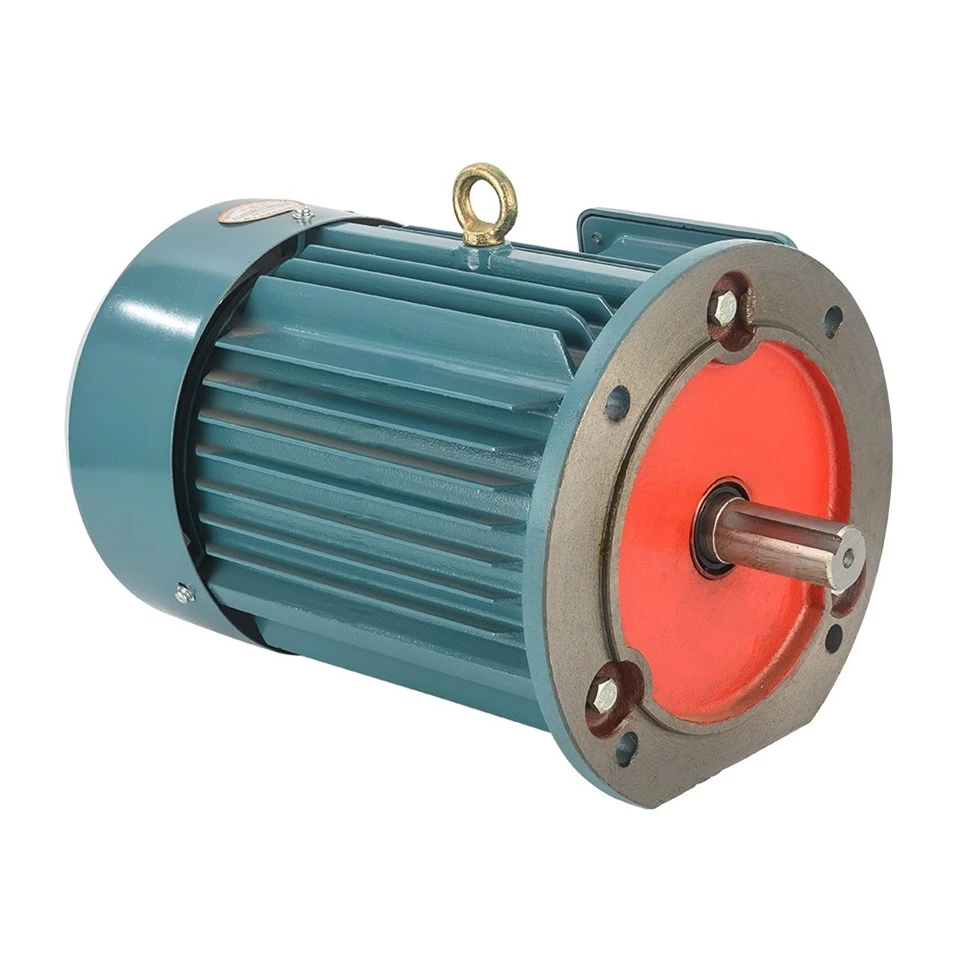
As a marine motor supplier, we offer a wide range of high-quality marine motors to meet the needs of our customers. Our Electric Inboard Boat Motor Y90L-2-H is a popular choice for many boaters, thanks to its reliable performance and energy efficiency. We also offer the Three Phase High Efficiency 380V Electric Boat Motor, which is designed for larger boats and offers even more power and performance. And if you're looking for a factory-direct option, check out our Electric Inboard Boat Motor Y90L-2-H.
Contact Us for Purchasing
If you're interested in purchasing a marine motor or have any questions about propeller balancing, please don't hesitate to contact us. We're here to help you find the right motor for your boat and ensure that it performs at its best. Whether you're a seasoned boater or just starting out, we have the expertise and products to meet your needs.
References
- "Marine Propeller Handbook" by David G. Watson
- "The Complete Book of Boat Maintenance" by John Leather
So, there you have it - everything you need to know about balancing the propeller of a marine motor. By following these tips and taking good care of your propeller, you can ensure a smooth and enjoyable boating experience. Happy boating!


