

Can a YVF Frequency Variable Motor be Used in a Servo System?
As a supplier of YVF frequency variable motors, I often encounter inquiries from customers about the compatibility of these motors with servo systems. This topic is not only of great interest to industry professionals but also crucial for those looking to optimize their machinery and equipment. In this blog post, I will delve into the technical aspects, advantages, limitations, and practical considerations of using a YVF frequency variable motor in a servo system.
Understanding YVF Frequency Variable Motors
YVF frequency variable motors are a type of three - phase asynchronous motor that can adjust the motor speed by changing the frequency of the power supply. These motors are designed to work in conjunction with frequency inverters, which can precisely control the output frequency, allowing for smooth speed regulation over a wide range.
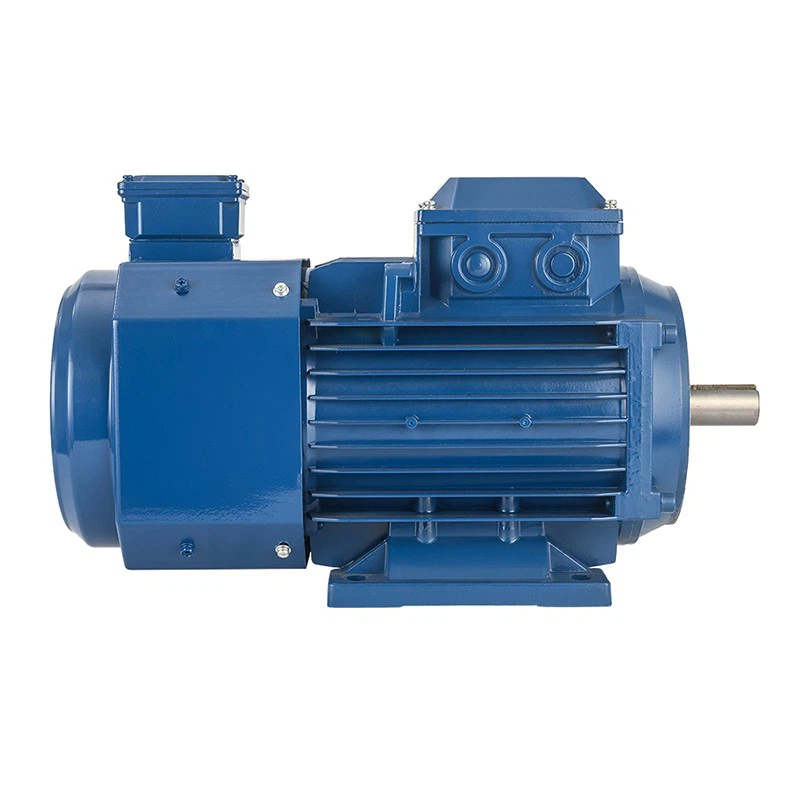
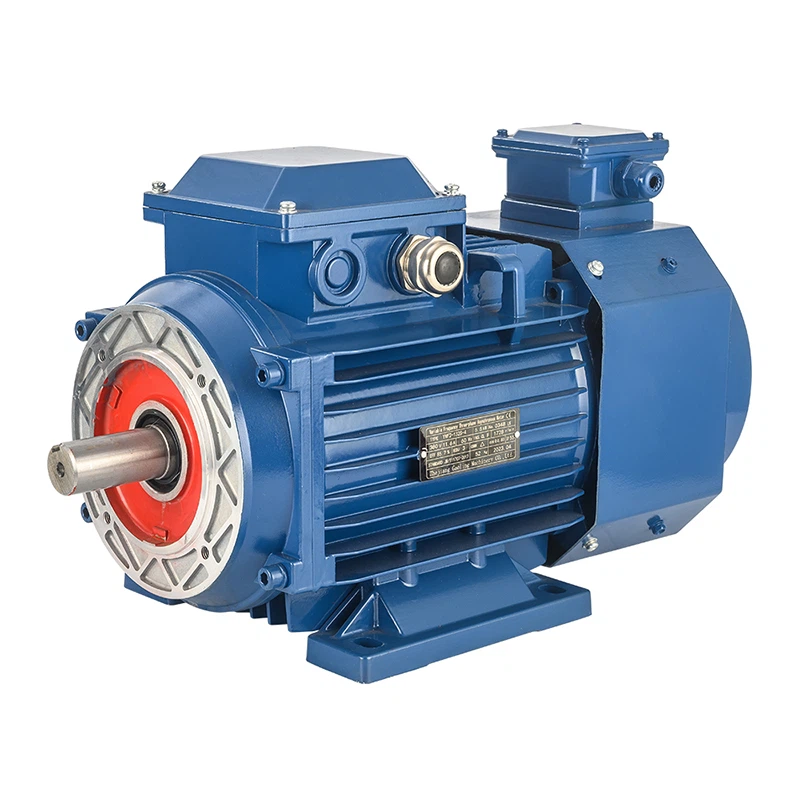
The Inverter Adjustable 50Hz 60Hz Three Phase Motor is a typical example of our YVF motor series. It offers flexibility in different power supply frequencies, making it suitable for various international markets. Another popular model is the YVF2 Frequency Control Three - phase Asynchronous Motor, which features advanced frequency control technology and high - efficiency operation.
Servo Systems: An Overview
Servo systems are closed - loop control systems that use feedback to precisely control the position, speed, and torque of a motor. They typically consist of a servo motor, a servo drive, a controller, and a feedback device such as an encoder. Servo systems are known for their high precision, fast response, and excellent dynamic performance, which make them ideal for applications that require accurate motion control, such as robotics, CNC machines, and automated production lines.
Technical Feasibility of Using YVF Motors in Servo Systems
Advantages
- Cost - effectiveness: YVF frequency variable motors are generally more affordable than traditional servo motors. For applications where high - end precision is not the primary requirement, using a YVF motor can significantly reduce the overall cost of the system. For example, in some simple conveyor systems or small - scale automation projects, the cost savings can be substantial.
- Speed Regulation: YVF motors can achieve a wide range of speed regulation through frequency adjustment. This is similar to the speed control function in servo systems. Our 2HP 5HP 10HP 20HP Variable Speed Electric Motor can be adjusted to different speeds according to the specific needs of the application, providing a certain degree of flexibility.
- Robustness: YVF motors are relatively simple in structure and have fewer electronic components compared to servo motors. This makes them more robust and less prone to failure in harsh industrial environments. They can withstand high temperatures, dust, and vibrations, which is an important advantage in some industrial settings.
Limitations
- Precision: Servo systems are designed for high - precision motion control, with position accuracy often within a few arc - seconds or micrometers. YVF motors, on the other hand, are asynchronous motors and do not have the same level of precision as servo motors. In applications that require extremely accurate positioning or high - speed dynamic response, the performance of YVF motors may not meet the requirements.
- Dynamic Response: Servo systems can respond quickly to changes in commands, with acceleration and deceleration times measured in milliseconds. YVF motors have a slower dynamic response due to their asynchronous nature, which may result in delays when sudden changes in speed or direction are required.
- Torque Control: Servo motors can precisely control torque output, which is crucial for applications such as force - controlled assembly. YVF motors have more limited torque control capabilities, and it is difficult to achieve the same level of fine - tuned torque control as servo motors.
Practical Considerations
Application Scenarios
- Low - precision Applications: YVF motors can be a good choice for applications where precision requirements are relatively low. For example, in some simple material handling systems or ventilation fans, the ability to adjust the speed is sufficient, and the cost - effectiveness of YVF motors makes them a practical option.
- Retrofitting Projects: In some cases, existing equipment with YVF motors can be retrofitted into a semi - servo - like system. By adding appropriate sensors and control algorithms, the performance of the system can be improved to some extent without a complete replacement of the motor.
System Integration
- Control Interface: When integrating a YVF motor into a servo - like system, it is necessary to ensure that the control interface between the frequency inverter and the controller is compatible. This may require some custom programming or the use of adapter modules.
- Feedback Mechanism: To improve the performance of the system, a feedback mechanism can be added to the YVF motor. For example, an encoder can be installed to provide speed or position feedback, which can help the controller adjust the motor speed more accurately.
Conclusion
In summary, while YVF frequency variable motors have their own advantages in terms of cost - effectiveness and speed regulation, they have limitations in precision, dynamic response, and torque control compared to servo motors. Whether a YVF motor can be used in a servo system depends on the specific requirements of the application.
If you are considering using a YVF motor in your project and have questions about its suitability, performance, or system integration, please feel free to contact us. Our team of experts is ready to provide you with detailed technical support and solutions. We look forward to discussing your needs and exploring the possibilities of using our YVF motors in your servo - related applications.
References
- "Electric Motors and Drives: Fundamentals, Types and Applications" by Austin Hughes.
- Technical manuals of YVF frequency variable motors and servo systems.


