Hey there! As a supplier of yej brake motors, I often get asked about the voltage requirements for these motors. It's a crucial topic, as getting the voltage right is essential for the proper functioning and longevity of the motor. So, let's dive right in and explore what voltage a yej brake motor needs.
First off, what exactly is a yej brake motor? Well, it's a type of motor that comes with an electromagnetic brake. This brake is used to quickly stop the motor's rotation when power is cut off, which is super useful in applications where you need precise control over the motor's movement, like in conveyor systems, hoists, and machine tools.

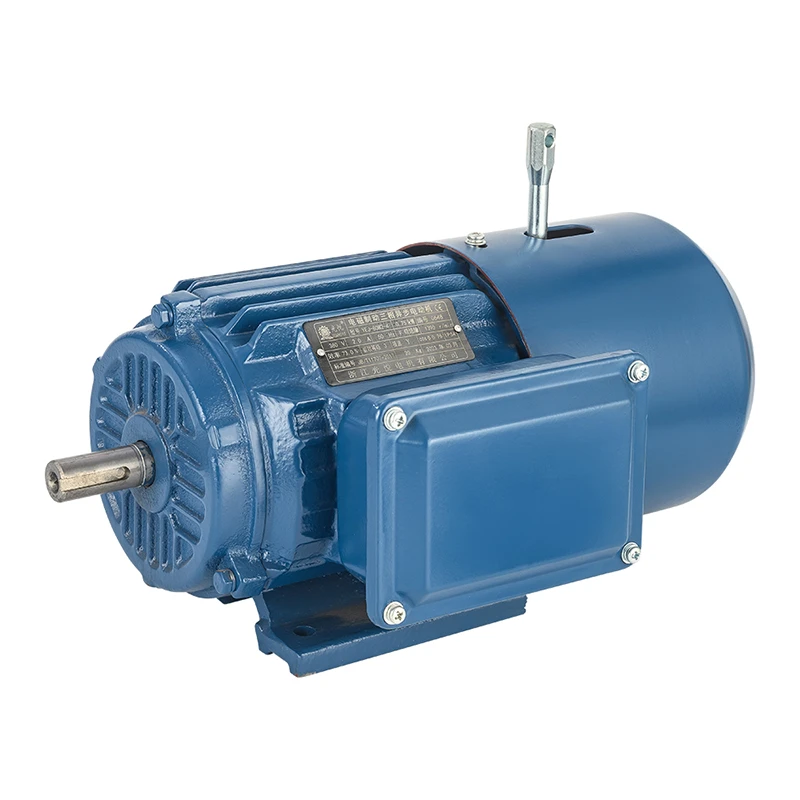
Now, let's talk about voltage. Yej brake motors can operate at a variety of voltages, and the specific voltage requirement depends on a few factors. One of the main factors is the application where the motor will be used. Different industries and regions around the world have different standard voltages for electrical equipment.
In many parts of the world, the standard voltage for industrial applications is 380V three - phase. This is a common choice for yej brake motors used in factories and large - scale industrial setups. The 380V three - phase power provides a good balance between power output and efficiency. Motors operating at this voltage can handle heavy loads and run smoothly for extended periods. For example, our Three Phase IMB5 Aluminum Frame Brake AC Motor is designed to work well with 380V three - phase power. It's a reliable option for industrial applications that require a motor with a strong braking system.
However, not all applications use 380V. In some areas, especially in North America, the standard industrial voltage is 460V three - phase. If you're in a region with this standard, you'll need a yej brake motor that can handle 460V. Our YEJ 460V 1700rpm Electric Motor for Driving Machine is specifically designed for such applications. It can deliver the power needed to drive heavy - duty machinery while ensuring quick and reliable braking when required.
There are also lower - voltage options available. For smaller applications or in areas with lower - power requirements, yej brake motors can be designed to operate at 220V single - phase or three - phase. These motors are often used in small workshops, light manufacturing, or in some cases, for home - based industrial projects. The Motor 2.2kw Three Phase Induction Brake Motor can be configured to work with different voltages, including 220V, making it a versatile choice for a wide range of applications.
It's important to note that using the wrong voltage can have serious consequences. If you supply a motor with a voltage that's too high, it can cause overheating, which may damage the motor's windings and other components. On the other hand, if the voltage is too low, the motor may not be able to generate enough power to operate properly. It might run sluggishly, and the brake may not engage or disengage correctly.
When choosing a yej brake motor, you need to consider not only the standard voltage in your region but also the specific requirements of your application. For example, if your application involves starting and stopping the motor frequently, you'll need a motor that can handle the electrical stress associated with these operations. Also, the load that the motor will be driving is a crucial factor. A heavier load will require a motor with more power, which may also affect the voltage requirements.
Another thing to keep in mind is the power factor. The power factor of a motor is a measure of how efficiently it uses electrical power. Yej brake motors typically have a power factor that's affected by the voltage and the load. A lower power factor means that the motor is using more power than necessary, which can lead to higher energy costs. So, it's important to choose a motor with a good power factor for your specific voltage and load conditions.
In addition to the main operating voltage, the electromagnetic brake in a yej brake motor also has its own voltage requirements. Usually, the brake operates at a lower voltage, often 220V or 110V DC. This is to ensure that the brake can be controlled independently and can engage and disengage quickly and reliably. The brake voltage is separate from the motor's operating voltage, and it's important to supply the correct voltage to the brake to ensure its proper functioning.
If you're still not sure what voltage is right for your yej brake motor, don't worry. Our team of experts is here to help. We have years of experience in the industry and can provide you with detailed advice based on your specific needs. Whether you're a small business owner looking for a motor for a single machine or a large industrial company in need of multiple motors, we can guide you through the selection process.
We understand that choosing the right motor is a big decision. You need a motor that's reliable, efficient, and can meet the demands of your application. That's why we offer a wide range of yej brake motors with different voltage options. Our motors are built to high - quality standards and are rigorously tested to ensure their performance and durability.
So, if you're in the market for a yej brake motor, get in touch with us. We can discuss your requirements in detail, recommend the best voltage option for your application, and provide you with a competitive quote. Don't hesitate to reach out and start the conversation about finding the perfect yej brake motor for your needs.
References:
- General knowledge of electrical engineering principles related to motors and brakes.
- Product specifications and technical data of yej brake motors.