

Hey there! As a supplier of single phase motors, I often get asked about the braking methods of these motors. So, I thought I'd take some time to share what I know with you all.
First off, let's understand a bit about single phase motors. They're pretty common in many applications, from small household appliances to some light industrial equipment. They're not as complex as three - phase motors, but they still have some cool features and functions, especially when it comes to braking.
Dynamic Braking
One of the most common braking methods for single phase motors is dynamic braking. How does it work? Well, when you want to stop the motor, instead of just cutting off the power supply, you connect a resistor across the motor's windings. This creates a circuit where the motor, now acting as a generator, converts its kinetic energy into electrical energy. The electrical energy is then dissipated as heat in the resistor.
The advantage of dynamic braking is that it's relatively simple and cost - effective. You don't need a whole bunch of fancy components. It's also a pretty fast way to slow down the motor. But there are some drawbacks too. The resistor can get really hot, especially if you're using the braking method frequently. And the braking torque is not always very high, so it might not be suitable for applications where you need to stop the motor really quickly or where there's a lot of inertia.
Regenerative Braking
Regenerative braking is another option for single phase motors. This method is a bit more advanced. When the motor is decelerating, it acts as a generator and feeds the electrical energy back into the power supply. It's like getting some of the energy back that you used to run the motor in the first place.
The big plus of regenerative braking is that it's energy - efficient. You're not just wasting the kinetic energy as heat like in dynamic braking. It can also provide a more consistent braking torque. However, it requires more complex control circuits. You need to have a way to manage the flow of energy back into the power supply, and this can add to the cost of the system.
Plugging
Plugging is a braking method where you reverse the phase sequence of the motor's supply voltage. When you do this, the motor tries to rotate in the opposite direction, which creates a braking force. It's a pretty aggressive way to stop the motor.
The main advantage of plugging is that it can provide a very high braking torque. So, if you need to stop the motor quickly, especially in applications with high inertia, plugging can be a good choice. But there are some downsides. The high current that flows during plugging can cause a lot of stress on the motor windings and the power supply. It can also generate a lot of heat, which can reduce the lifespan of the motor.
Mechanical Braking
Then there's mechanical braking. This involves using a physical brake, like a friction brake. You can use a brake disc or a brake pad that presses against a rotating part of the motor. When you activate the brake, the friction between the brake and the rotating part slows down and eventually stops the motor.
Mechanical braking is very reliable. It can provide a strong and consistent braking force. And it doesn't rely on the electrical characteristics of the motor. However, it does add some mechanical complexity to the system. You need to have a way to actuate the brake, and the brake components can wear out over time, which means you'll need to do some maintenance.
Now, let's talk about the types of single phase motors we offer and how these braking methods can be applied to them.
We have the YCL Heavy Duty Two Capacitors Single Phase Motor. This motor is designed for heavy - duty applications. For this motor, dynamic braking might be a good choice if you're looking for a simple and cost - effective way to stop it. The heavy - duty nature of the motor can handle the heat generated by the resistor in dynamic braking. But if you need a more energy - efficient option, regenerative braking could be considered, although you'll need to invest in the proper control circuits.
Our YC Capacitor Start Single Phase Induction Motor IP44 is another popular choice. This motor is known for its good starting torque. For this motor, plugging could be used if you need to stop it quickly. But keep in mind the potential stress on the motor windings. Mechanical braking could also be a good option, especially if you need a reliable and consistent braking force for continuous operation.
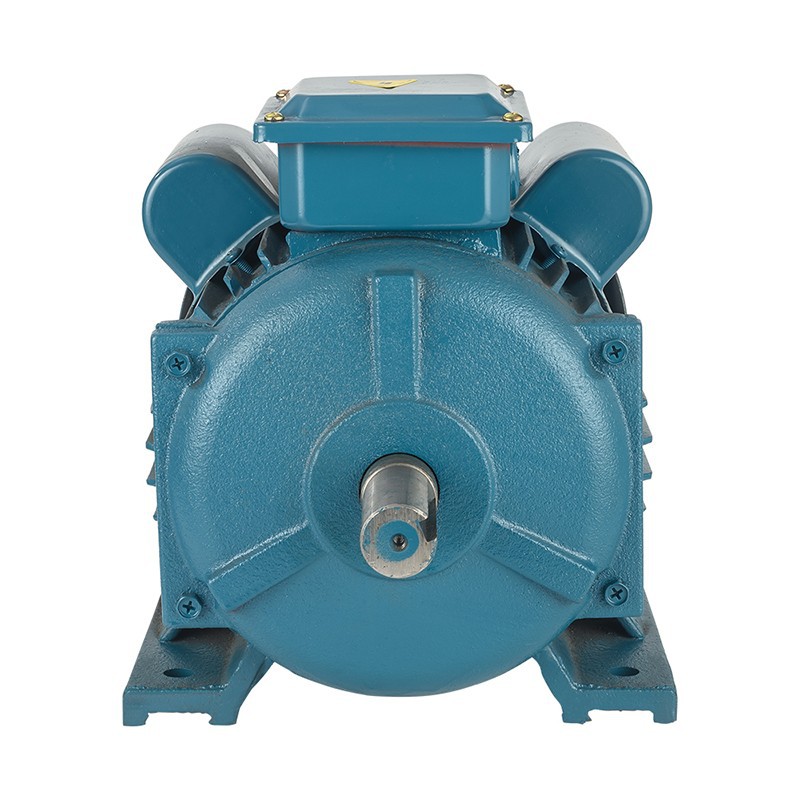

The Hot Selling YL Single Phase Asynchronous Motor is widely used in various applications. Dynamic braking would be a practical choice for this motor in many cases. It's simple and can get the job done for most light - to - medium - duty applications. However, if energy efficiency is a top priority, you might want to explore regenerative braking.
If you're in the market for single phase motors and are wondering which braking method is best for your application, we're here to help. Our team of experts can work with you to understand your specific needs and recommend the right motor and braking solution. Whether you're looking for a cost - effective option, an energy - efficient one, or something that can provide high - performance braking, we've got you covered.
So, if you're interested in learning more or want to start a purchase negotiation, just reach out to us. We're eager to work with you and make sure you get the best single phase motor and braking system for your requirements.
References
- Fitzgerald, A. E., Kingsley, C., & Umans, S. D. (2003). Electric Machinery. McGraw - Hill.
- Chapman, S. J. (2012). Electric Machinery Fundamentals. McGraw - Hill.


