

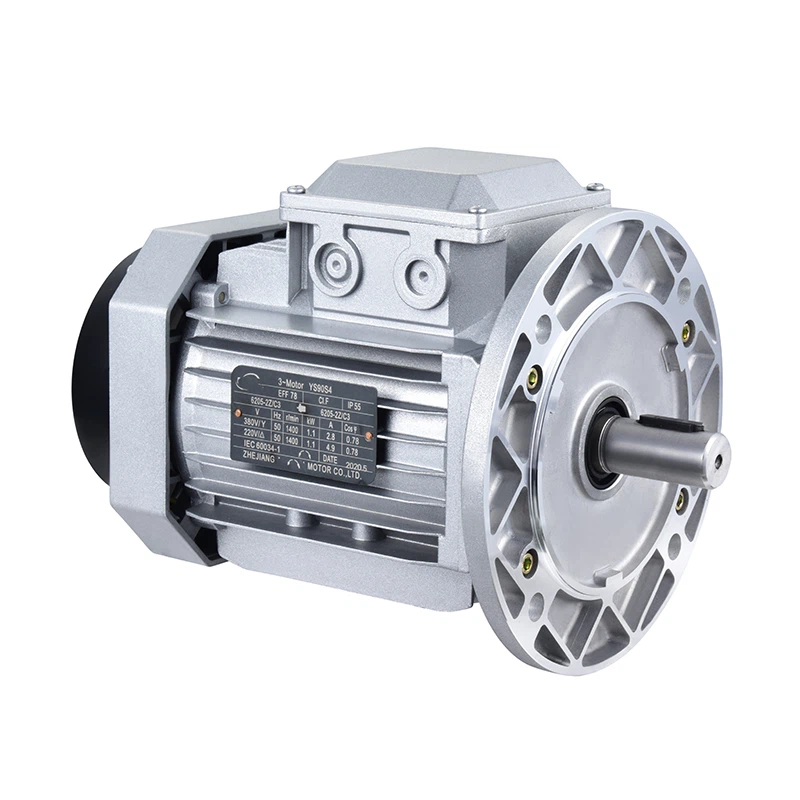
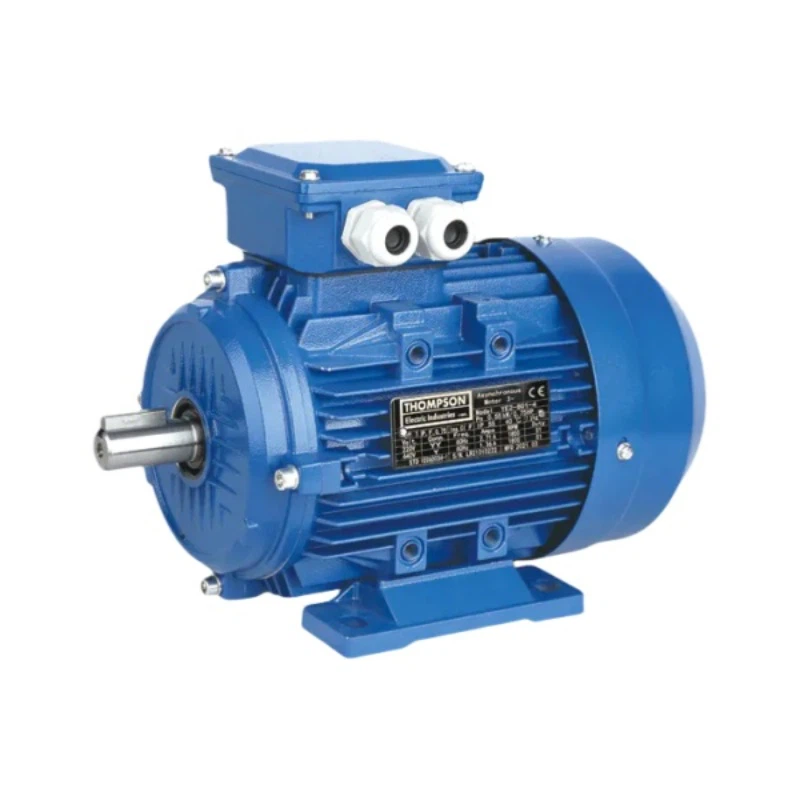
As a supplier of MS YS aluminum induction motors, I often encounter inquiries from customers regarding the vibration level of these motors. Vibration is a critical parameter that can significantly impact the performance, reliability, and lifespan of an electric motor. In this blog post, I will delve into the vibration level of MS YS aluminum induction motors, exploring the factors that influence it, the standards used to measure it, and how we ensure our motors meet the highest quality and performance requirements.
Understanding Vibration in Electric Motors
Vibration in electric motors is a natural phenomenon that occurs due to various factors, including mechanical imbalances, electromagnetic forces, and external loads. While some level of vibration is inevitable, excessive vibration can lead to a range of problems, such as increased wear and tear on motor components, reduced efficiency, and even premature motor failure. Therefore, it is essential to understand the causes of vibration and take appropriate measures to minimize it.
Factors Influencing Vibration
Several factors can influence the vibration level of an MS YS aluminum induction motor:
- Mechanical Imbalance: One of the most common causes of vibration in electric motors is mechanical imbalance. This can occur when the rotating parts of the motor, such as the rotor, are not perfectly balanced. Even a small imbalance can cause significant vibration, especially at high speeds.
- Electromagnetic Forces: Electromagnetic forces generated by the motor's stator and rotor can also contribute to vibration. These forces can cause the motor to vibrate at specific frequencies, which can be amplified if the motor is not properly designed or installed.
- External Loads: The type and magnitude of the external load applied to the motor can also affect its vibration level. For example, a motor driving a heavy or unbalanced load may experience higher levels of vibration than one driving a light or balanced load.
- Motor Design and Construction: The design and construction of the motor can also play a role in its vibration level. Factors such as the quality of the materials used, the precision of the manufacturing process, and the type of bearings and mounting used can all affect the motor's vibration characteristics.
Measuring Vibration
To ensure that our MS YS aluminum induction motors meet the highest quality and performance requirements, we use a variety of methods to measure and monitor vibration. One of the most common methods is to use a vibration analyzer, which measures the amplitude and frequency of the vibration at various points on the motor.
Vibration Standards
There are several international standards that define the acceptable vibration levels for electric motors. One of the most widely recognized standards is the International Organization for Standardization (ISO) standard ISO 10816, which provides guidelines for the evaluation of machine vibration. According to this standard, the vibration level of an electric motor is classified into four categories, ranging from A (excellent) to D (unacceptable).
At our company, we ensure that all of our MS YS aluminum induction motors meet or exceed the requirements of ISO 10816. We use state-of-the-art testing equipment and techniques to measure the vibration level of our motors during the manufacturing process, and we perform regular quality checks to ensure that our motors continue to meet these standards over time.
Ensuring Low Vibration Levels
To minimize the vibration level of our MS YS aluminum induction motors, we take a comprehensive approach that includes design, manufacturing, and testing.
Design Optimization
Our engineering team uses advanced computer-aided design (CAD) and finite element analysis (FEA) tools to optimize the design of our motors for low vibration. We carefully select the materials and components used in our motors, and we use precision manufacturing techniques to ensure that the rotating parts of the motor are perfectly balanced.
Quality Manufacturing
We have a strict quality control system in place to ensure that all of our MS YS aluminum induction motors are manufactured to the highest standards. We use only the highest quality materials and components, and we perform rigorous testing at every stage of the manufacturing process to ensure that our motors meet or exceed the requirements of ISO 10816.
Testing and Certification
Before our motors are shipped to customers, we perform a series of tests to ensure that they meet our strict quality and performance requirements. These tests include vibration testing, electrical testing, and performance testing. We also obtain certification from independent third-party organizations to verify that our motors meet the relevant international standards.
Our Product Range
We offer a wide range of MS YS aluminum induction motors to meet the diverse needs of our customers. Some of our popular products include:
- 100L-4 2.2KW Squirrel Cage Aluminum Electric Motor: This motor is designed for use in a variety of industrial applications, including pumps, fans, and conveyors. It features a high-efficiency design, low vibration, and long service life.
- 1 2 Hp Electric Motor Aluminum Housing: This motor is ideal for use in small to medium-sized industrial applications. It features a compact design, high efficiency, and low noise level.
- YS 2800RPM 2 Poles Aluminum Frame AC Motor: This motor is designed for use in high-speed applications, such as machine tools and compressors. It features a high-power density, low vibration, and excellent performance.
Contact Us for Purchase and Negotiation
If you are interested in purchasing our MS YS aluminum induction motors or have any questions about our products, please feel free to contact us. Our experienced sales team will be happy to provide you with more information and help you select the right motor for your application. We are committed to providing our customers with the highest quality products and services, and we look forward to working with you.
References
- ISO 10816: Mechanical vibration - Evaluation of machine vibration by measurements on non-rotating parts. International Organization for Standardization, 2009.
- Electric Motor Handbook. McGraw-Hill Professional, 2004.


