

Hey there! As a supplier of YVF frequency variable motors, I often get asked about the vibration level of these motors. It's a crucial aspect that can significantly impact the performance and lifespan of the motor, so I'm excited to dive into this topic with you.
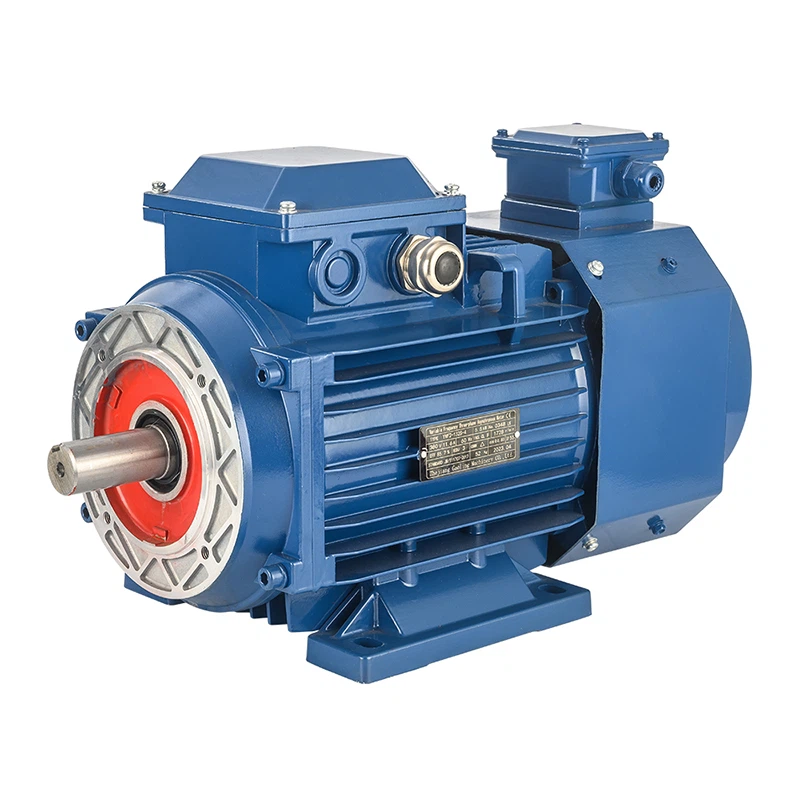
First off, let's understand what YVF frequency variable motors are. These motors are designed to adjust their speed according to the requirements of the application. They offer great flexibility and energy efficiency, making them a popular choice in various industries. We have a range of products like the YVF2 Frequency Control Three - phase Asynchronous Motor, 2HP 5HP 10HP 20HP Variable Speed Electric Motor, and Inverter Adjustable 50Hz 60Hz Three Phase Motor. Each of these motors has its own unique features and is suitable for different scenarios.
Now, let's talk about vibration levels. Vibration in a motor can come from various sources. One of the main causes is mechanical imbalance. If the rotating parts of the motor, such as the rotor, are not perfectly balanced, it can lead to uneven forces acting on the motor during operation. This imbalance can cause the motor to vibrate. For example, if there's a small piece of debris stuck on the rotor, it can throw off the balance and increase the vibration level.
Another factor that can affect vibration is the alignment of the motor with the driven equipment. If the motor and the equipment it's connected to are not properly aligned, it can create additional stress on the motor shaft and bearings, resulting in increased vibration. This misalignment can happen during installation or due to wear and tear over time.

Electrical issues can also contribute to motor vibration. For instance, if there are problems with the power supply, such as voltage fluctuations or unbalanced phases, it can cause the motor to operate erratically and vibrate. A sudden drop in voltage or an imbalance in the three - phase power can make the motor work harder and lead to increased vibration levels.
So, what's an acceptable vibration level for a YVF frequency variable motor? Well, it depends on several factors, including the motor's size, speed, and the application it's used in. Generally, vibration levels are measured in terms of amplitude (the maximum displacement of the vibrating object) and frequency (how often the vibration occurs).
In most industrial applications, vibration levels are kept within a certain range to ensure the smooth operation of the motor and the equipment it's driving. For small - to medium - sized YVF motors operating at normal speeds, a vibration amplitude of around 0.1 - 0.5 mm/s is often considered acceptable. However, for high - speed or large - scale motors, the acceptable range might be even lower.
Monitoring the vibration level of a YVF motor is essential. There are several ways to do this. One common method is to use vibration sensors. These sensors can be attached to the motor housing and are designed to detect and measure the vibration. They can provide real - time data on the vibration amplitude and frequency, allowing operators to monitor the motor's condition continuously.
Regular maintenance is also crucial in keeping the vibration level in check. This includes checking the motor's balance, alignment, and electrical connections on a regular basis. By performing routine maintenance, we can identify and fix potential issues before they become major problems and cause excessive vibration.
When it comes to our YVF frequency variable motors, we take great care in the manufacturing process to ensure low vibration levels. Our motors are carefully balanced during production to minimize mechanical imbalance. We also use high - quality bearings and materials to reduce friction and wear, which can help keep the vibration under control.
In addition, we provide detailed installation and maintenance instructions to our customers. This helps them ensure that the motor is installed correctly and that proper maintenance procedures are followed. By doing so, we can help our customers get the most out of our motors and avoid issues related to excessive vibration.
If you're experiencing high vibration levels in your YVF motor, don't panic. First, check the basic things like the power supply, alignment, and balance. If you're still having problems, our team of experts is always ready to help. We can provide on - site inspections and troubleshooting services to identify and resolve the issue.
In conclusion, the vibration level of a YVF frequency variable motor is an important factor that can affect its performance and longevity. By understanding the causes of vibration, monitoring the levels, and performing regular maintenance, you can ensure that your motor operates smoothly and efficiently.
If you're in the market for a high - quality YVF frequency variable motor or need help with your existing motor, feel free to reach out. We're here to assist you with all your motor - related needs. Whether you're looking for a YVF2 Frequency Control Three - phase Asynchronous Motor, a 2HP 5HP 10HP 20HP Variable Speed Electric Motor, or an Inverter Adjustable 50Hz 60Hz Three Phase Motor, we've got you covered. Let's start a conversation and see how we can meet your requirements.
References:
- "Motor Vibration Analysis and Troubleshooting" - Industrial Motor Handbook
- "Electrical and Mechanical Considerations for Variable Frequency Drives" - IEEE Power Engineering Society Publications


