

The maximum operating temperature of a 1/2 Hp electric motor with an aluminum housing is a crucial parameter that directly impacts its performance, efficiency, and lifespan. As a supplier of 1 2 Hp Electric Motor Aluminum Housing, I understand the significance of this topic and aim to provide comprehensive insights to help you make informed decisions.
Understanding the Basics of Electric Motors and Temperature
Before delving into the maximum operating temperature, it's essential to understand how electric motors work and why temperature matters. An electric motor converts electrical energy into mechanical energy through the interaction of magnetic fields. During this process, some of the electrical energy is dissipated as heat due to various factors, including electrical resistance in the windings, friction in the bearings, and magnetic losses in the core.
Excessive heat can have several detrimental effects on an electric motor. It can cause the insulation materials in the windings to degrade, leading to short circuits and motor failure. High temperatures can also increase the wear and tear on the bearings, reducing their lifespan and potentially causing mechanical failures. Additionally, elevated temperatures can reduce the motor's efficiency, resulting in higher energy consumption and increased operating costs.

Factors Affecting the Maximum Operating Temperature
The maximum operating temperature of a 1/2 Hp electric motor with an aluminum housing is influenced by several factors, including:
Motor Design and Construction
- Winding Material and Insulation Class: The type of insulation used in the motor windings plays a significant role in determining its temperature rating. Insulation classes are classified based on their ability to withstand high temperatures, with higher classes indicating greater heat resistance. For example, motors with Class F insulation can typically operate at higher temperatures than those with Class B insulation.
- Ventilation and Cooling System: The design of the motor's ventilation and cooling system is crucial for dissipating heat. Motors with efficient cooling systems, such as those with external fans or cooling fins, can operate at lower temperatures than those with poor ventilation.
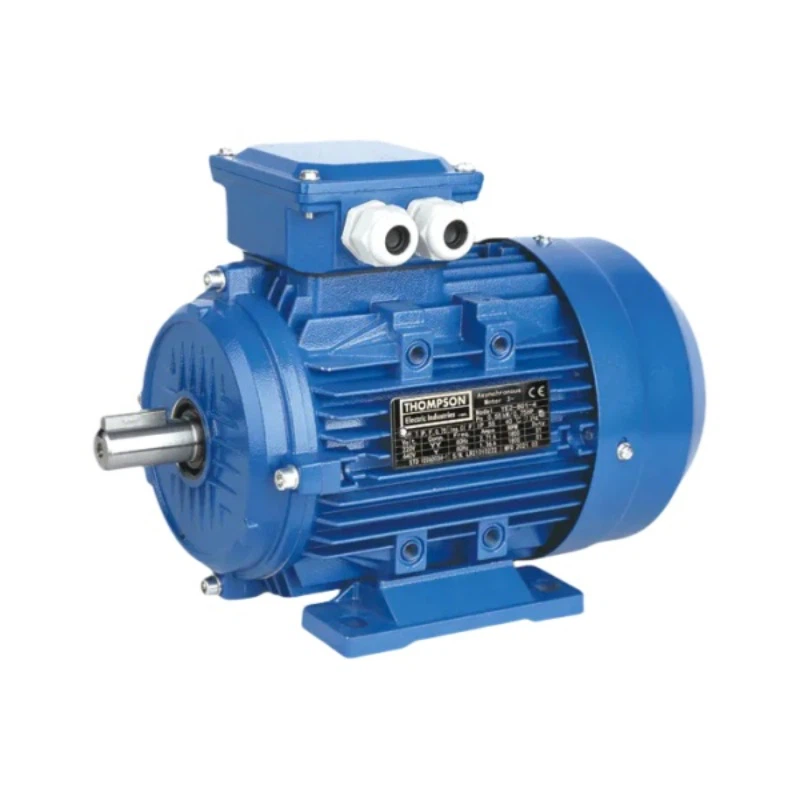
- Housing Material and Design: The aluminum housing of the motor provides several advantages, including good thermal conductivity, which helps to dissipate heat more effectively. The design of the housing, including the shape and size of the cooling fins, can also impact the motor's cooling performance.
Operating Conditions
- Load and Duty Cycle: The amount of load the motor is required to drive and the duty cycle (the ratio of operating time to rest time) can significantly affect its temperature. Motors operating at full load for extended periods will generate more heat than those operating at partial loads or with intermittent duty cycles.
- Ambient Temperature: The temperature of the surrounding environment in which the motor operates also affects its maximum operating temperature. Motors operating in high-temperature environments will need to dissipate more heat to maintain safe operating temperatures.
- Altitude: At higher altitudes, the air density is lower, which can reduce the effectiveness of the motor's cooling system. As a result, motors operating at high altitudes may need to be derated to prevent overheating.
Typical Maximum Operating Temperatures
The maximum operating temperature of a 1/2 Hp electric motor with an aluminum housing can vary depending on the specific motor design and operating conditions. However, most motors are designed to operate within a temperature range of 70°C to 120°C (158°F to 248°F).
For example, a motor with Class B insulation typically has a maximum operating temperature of around 80°C to 90°C (176°F to 194°F), while a motor with Class F insulation can operate at temperatures up to 120°C (248°F). It's important to note that these are general guidelines, and the actual maximum operating temperature may vary depending on the manufacturer's specifications.
Importance of Monitoring and Controlling Temperature
To ensure the reliable and efficient operation of a 1/2 Hp electric motor with an aluminum housing, it's essential to monitor and control its temperature. Here are some tips for doing so:
- Use Temperature Sensors: Install temperature sensors in the motor to monitor its temperature in real-time. This can help you detect any abnormal temperature increases and take corrective action before they cause damage to the motor.
- Implement Overload Protection: Overload protection devices, such as thermal overload relays, can help prevent the motor from overheating by automatically shutting off the power when the motor draws excessive current.
- Maintain Proper Ventilation: Ensure that the motor's ventilation and cooling system are clean and unobstructed. Regularly inspect the cooling fins and fans to ensure they are functioning properly.
- Schedule Regular Maintenance: Regular maintenance, including lubrication of the bearings, inspection of the windings, and cleaning of the motor, can help prevent overheating and extend the motor's lifespan.
Our Product Offerings
As a supplier of 1 2 Hp Electric Motor Aluminum Housing, we offer a wide range of high-quality electric motors designed to meet the diverse needs of our customers. Our motors are built with the latest technology and materials to ensure reliable performance and long service life.
Some of our popular products include the MS Series IMB5 Aluminum Asynchronous Motor and the YS 2800RPM 2 Poles Aluminum Frame AC Motor. These motors are designed with efficient cooling systems and high-quality insulation materials to ensure optimal performance even in demanding applications.
Conclusion
The maximum operating temperature of a 1/2 Hp electric motor with an aluminum housing is a critical factor that should not be overlooked. By understanding the factors that affect the motor's temperature and taking appropriate measures to monitor and control it, you can ensure the reliable and efficient operation of your motor.
If you have any questions or need further information about our 1/2 Hp electric motors with aluminum housings, please feel free to contact us. We would be happy to assist you in selecting the right motor for your application and providing you with the support you need to ensure its successful operation.
References
- "Electric Motor Handbook" by Arnold Tustin
- "Motors and Drives: A Practical Technology Guide" by Ian Poskitt


