

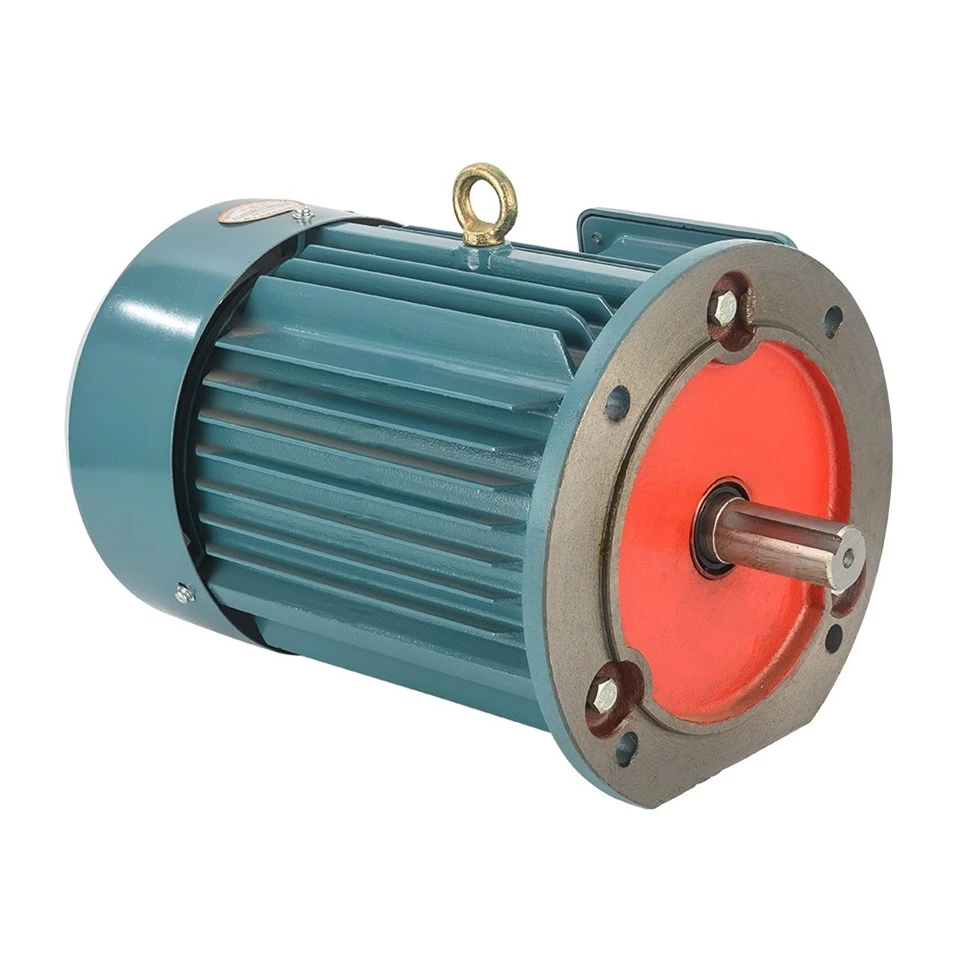
As a marine motor supplier, one of the most frequently asked questions from our customers is about the fuel consumption rate of marine motors. Understanding fuel consumption is crucial for boat owners as it directly impacts their operating costs, range, and environmental footprint. In this blog post, I'll delve into the factors influencing the fuel consumption rate of marine motors, how to calculate it, and how our products High Precision IMB35 Three Phase Induction Motor for Boat, Three Phase High Efficiency 380V Electric Boat Motor, and Axial Flux Electric Motor Insulation Class F IP55 are designed to optimize fuel efficiency.
Factors Affecting Fuel Consumption Rate
Fuel consumption in marine motors is influenced by a multitude of factors, and it's essential to understand each one to effectively manage and reduce your fuel costs.
1. Motor Type and Size
The type and size of the marine motor are fundamental determinants of fuel consumption. Generally, larger motors consume more fuel as they require more energy to operate. For instance, a high - powered outboard motor designed for high - speed racing boats will consume significantly more fuel compared to a smaller, low - horsepower motor used for a small fishing boat or a dinghy.
At our company, we offer a diverse range of motor sizes to suit different boat types and applications. Our High Precision IMB35 Three Phase Induction Motor for Boat comes in different power ratings, allowing customers to choose a motor that matches their boat's requirements precisely, thereby optimizing fuel consumption.
2. Boat Design and Load
The design of the boat itself plays a huge role in fuel efficiency. Boats with sleek, hydrodynamic hulls have less drag in the water, which means the motor doesn't have to work as hard to move the boat forward. On the other hand, boats with boxy or inefficient hull designs tend to consume more fuel.

Additionally, the load that the boat is carrying affects fuel consumption. The more weight the boat is carrying (passengers, cargo, etc.), the more power the motor needs to generate to maintain a certain speed. Ensuring that you are not overloading your boat can help reduce fuel consumption.
3. Operating Conditions
The conditions under which the boat is operated have a significant impact on fuel consumption. Rough seas require the motor to work harder to maintain speed and stability, leading to increased fuel usage. Similarly, strong headwinds can create additional resistance, forcing the motor to use more fuel to move the boat forward.
Temperature can also affect fuel consumption. In cold weather, the engine may take longer to reach its optimal operating temperature, during which fuel efficiency is lower.
4. Speed
Speed is perhaps the most significant factor affecting fuel consumption. As the speed of the boat increases, the resistance from the water (drag) increases exponentially. This means that doubling the speed of the boat can more than double the amount of fuel consumed.
In general, there is an optimal cruising speed for every boat and motor combination at which fuel consumption is minimized. Operating your boat at or near this speed can result in significant fuel savings over time.
Calculating Fuel Consumption Rate
Calculating the fuel consumption rate of your marine motor can help you monitor your usage and plan your trips more effectively. The most common way to calculate fuel consumption is in gallons per hour (GPH) or liters per hour (LPH).
The basic formula for calculating fuel consumption rate is:
Fuel Consumption Rate (GPH) = (Fuel Used in Gallons) / (Hours of Operation)
You can measure the amount of fuel used by noting the amount of fuel you add to your boat's fuel tank before and after a trip. The number of hours of operation can be measured using a timer or the boat's engine hour meter.
Let's say you fill your boat's fuel tank with 50 gallons of fuel. After a 5 - hour trip, you refill the tank and find that you used 10 gallons. Using the formula above, your fuel consumption rate would be:
Fuel Consumption Rate (GPH)=10 gallons / 5 hours = 2 GPH
How Our Marine Motors Optimize Fuel Efficiency
As a marine motor supplier, we are committed to providing our customers with motors that offer excellent fuel efficiency.
1. Advanced Technology
Our motors, such as the Three Phase High Efficiency 380V Electric Boat Motor, incorporate advanced technology to improve fuel efficiency. For example, we use advanced engine management systems that can adjust the fuel - air mixture in real - time based on operating conditions. This ensures that the motor is always burning fuel as efficiently as possible.
2. Quality Components
We use high - quality components in the manufacturing of our marine motors. High - quality pistons, cylinders, and fuel injectors ensure a more efficient combustion process, which results in better fuel economy. For instance, our Axial Flux Electric Motor Insulation Class F IP55 is built with precision - engineered components that are designed to reduce energy losses and improve overall efficiency.
3. Energy - Saving Design
Our motors are designed with energy - saving features in mind. For example, we use lightweight materials in the construction of our motors to reduce the overall weight of the motor and, consequently, the fuel required to operate it.
Tips for Reducing Fuel Consumption
1. Regular Maintenance
Keeping your marine motor properly maintained is essential for optimal fuel efficiency. Regularly changing the oil, air filters, and spark plugs can ensure that the engine is running smoothly and efficiently. A dirty air filter, for example, can restrict the flow of air into the engine, leading to a rich fuel - air mixture and increased fuel consumption.
2. Trim Your Boat Properly
Trimming the boat (adjusting the angle of the motor or the boat's trim tabs) can help optimize the hull's position in the water, reducing drag and improving fuel efficiency. Experiment with different trim settings at various speeds to find the most efficient setup for your boat.
3. Update Your Navigation Technology
Using modern navigation technology can help you plan your route more efficiently. By avoiding areas with strong currents, headwinds, or rough seas, you can reduce the amount of work that the motor has to do, leading to fuel savings.
Conclusion
Understanding the fuel consumption rate of your marine motor is crucial for any boat owner. By considering the factors that affect fuel consumption, calculating your fuel usage, and using our fuel - efficient motors and adopting best practices for operation, you can reduce your fuel costs and enjoy a more environmentally friendly boating experience.
We are always happy to assist our customers in choosing the right marine motor for their needs. If you have any questions about our products, such as the High Precision IMB35 Three Phase Induction Motor for Boat, Three Phase High Efficiency 380V Electric Boat Motor, or Axial Flux Electric Motor Insulation Class F IP55, or need advice on fuel - efficient boating, please don't hesitate to contact us for a purchase discussion.
References
- BoatUS Foundation. "Fuel Efficiency and Boating."
- National Oceanic and Atmospheric Administration (NOAA). "Boating Safety and Fuel Efficiency."


