

Hey there! As a supplier of Water Pump Electric Motor Winding Motor, I often get asked about the frequency requirements for these motors. So, I thought I'd take a moment to break it down for you in a way that's easy to understand.
First off, let's talk about what frequency means in the context of an electric motor. Frequency refers to the number of cycles per second that an alternating current (AC) goes through. In most countries, the standard frequency for electrical power is either 50 Hz or 60 Hz. This frequency is crucial because it directly affects how the motor operates.
For a water pump electric motor winding motor, the frequency requirement is tightly linked to the motor's design and its intended application. Different motors are built to work optimally at specific frequencies. If you use a motor at a frequency other than its designed one, it can lead to a whole bunch of problems.
Effects of Incorrect Frequency
Let's start with what happens when you run a motor at a frequency lower than its rated frequency. When the frequency drops, the motor's speed decreases. Since the speed of an AC motor is directly proportional to the frequency, a lower frequency means the motor will spin slower. This can be a big issue for water pumps because the flow rate and pressure of the water are directly related to the motor's speed. A slower motor might not be able to pump water at the required rate, which can lead to inefficient water supply systems.
On top of that, running a motor at a lower frequency can cause it to overheat. The motor's magnetic field is affected by the frequency, and a lower frequency can result in a weaker magnetic field. To maintain the same level of torque, the motor has to draw more current. This increased current flow generates more heat, and if the motor isn't designed to handle it, it can damage the motor windings over time.
Now, what about running a motor at a higher frequency than its rated one? Well, in this case, the motor will spin faster. While this might seem like a good thing at first, it can actually cause the motor to operate outside of its design limits. The increased speed can put extra stress on the motor's bearings and other mechanical components, leading to premature wear and tear. It can also cause the motor to draw more power than it's designed for, which can result in higher energy consumption and potentially trip the circuit breaker.
Matching the Frequency
So, how do you make sure you're using the right frequency for your water pump electric motor winding motor? The first step is to check the motor's nameplate. The nameplate usually lists the rated frequency, along with other important information like voltage, power, and speed. Make sure the frequency of your electrical supply matches the rated frequency on the nameplate.
If you're in an area where the standard frequency is different from the motor's rated frequency, you might need to use a frequency converter. A frequency converter, also known as a variable frequency drive (VFD), can adjust the frequency of the electrical supply to match the motor's requirements. This allows you to use the motor in different electrical environments without having to worry about the frequency mismatch.
Our Product Range
At our company, we offer a wide range of Water Pump Electric Motor Winding Motor designed to work at different frequencies. Our motors are built with high-quality materials and advanced technology to ensure reliable and efficient operation.
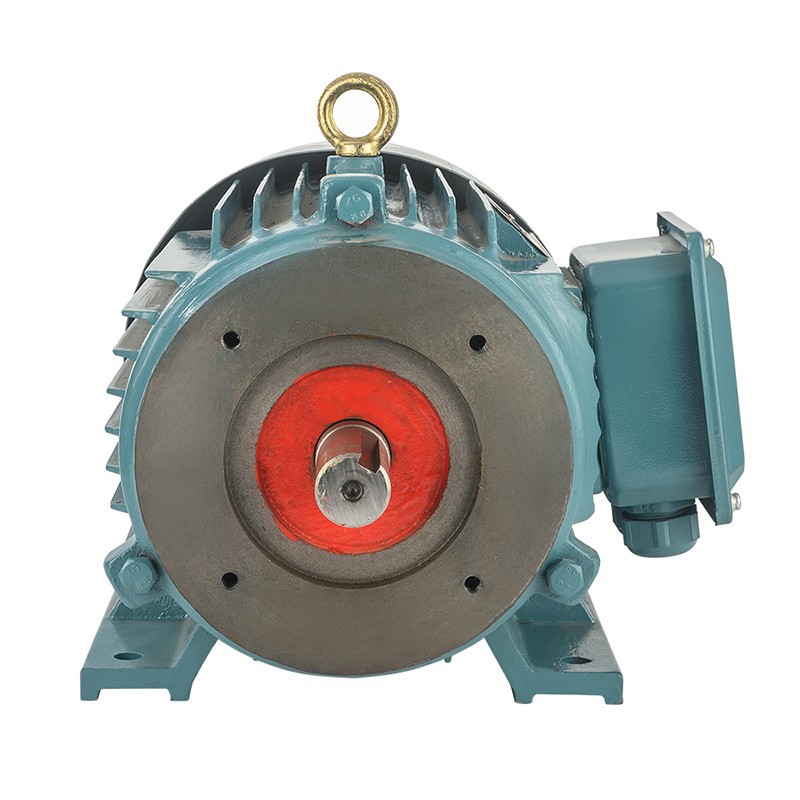
One of our popular products is the Squirrel Cage Three Phase Asynchronous Motor. These motors are known for their robustness and simplicity. They're designed to work at either 50 Hz or 60 Hz, depending on your specific needs. The squirrel cage design provides high starting torque and good speed regulation, making them ideal for water pump applications.
We also have the Horizontal Foot Mounting YE3 Asynchronous Motor. This motor is designed for easy installation and maintenance. It's built with energy-efficient features, which can help you save on your electricity bills in the long run.
Contact Us for Purchase
If you're in the market for a water pump electric motor winding motor, we'd love to hear from you. Whether you need a motor for a small residential water pump or a large industrial application, we have the right solution for you. Our team of experts can help you choose the motor that best suits your needs and ensure that it's installed and operated correctly.
So, don't hesitate to reach out to us for more information or to discuss your purchasing requirements. We're here to make sure you get the best motor for your water pump system.

References
- Electrical Engineering textbooks on AC motor theory
- Manufacturer's manuals for water pump electric motors


