

What are the special requirements for a three phase asynchronous motor used in a hazardous environment?
As a supplier of three - phase asynchronous motors, I understand the unique challenges and requirements when these motors are used in hazardous environments. Hazardous environments can include areas with explosive gases, flammable dust, or other potentially dangerous substances. In such settings, the safety and reliability of the motor are of utmost importance. This blog post will explore the special requirements for three - phase asynchronous motors in these challenging conditions.
1. Explosion - proof Design
One of the most critical requirements for motors in hazardous environments is an explosion - proof design. When there are explosive gases or vapors present, even a small spark can trigger a catastrophic explosion. To prevent this, motors must be constructed to contain any internal explosion and prevent it from spreading to the surrounding environment.
For example, our YBX4 Flameproof Three Phase Asynchronous Motor is designed with a robust enclosure that can withstand the pressure of an internal explosion. The enclosure is made of high - strength materials and has precise joints and seals to prevent the escape of explosive gases. The motor is also tested to meet strict international standards for explosion - proof performance, ensuring that it can be safely used in hazardous areas.
2. Temperature Control
In hazardous environments, temperature control is essential. High temperatures can not only degrade the performance of the motor but also increase the risk of ignition of flammable substances. Motors used in these areas must be designed to operate within a specific temperature range.
Our motors are equipped with advanced temperature sensors and cooling systems. The sensors continuously monitor the temperature of the motor windings and other critical components. If the temperature exceeds a pre - set limit, the motor can automatically adjust its operation or shut down to prevent overheating. Additionally, efficient cooling systems, such as forced - air or liquid cooling, are used to dissipate heat and maintain the motor's temperature within a safe range.
3. Dust and Moisture Resistance
Hazardous environments may also be contaminated with dust, dirt, or moisture. These substances can enter the motor and cause damage to the internal components, leading to reduced performance and potential safety hazards. Therefore, motors used in such areas must have high - level dust and moisture resistance.
Our motors feature sealed enclosures and gaskets to prevent the ingress of dust and moisture. The enclosures are designed with a high degree of protection, such as IP (Ingress Protection) ratings. For example, an IP65 - rated motor can prevent the ingress of dust and low - pressure water jets, ensuring reliable operation in harsh environments.
4. Electrical Insulation
Good electrical insulation is crucial for motors in hazardous environments. Poor insulation can lead to electrical short - circuits, which may generate sparks and pose a significant risk in explosive atmospheres.
We use high - quality insulation materials in our motors. These materials have excellent dielectric properties and can withstand high voltages and temperatures. Regular insulation testing is also carried out during the manufacturing process to ensure that the insulation meets the required standards.
5. Compatibility with Hazardous Substances
Different hazardous environments may contain various types of flammable substances, such as gases, vapors, or dusts. Motors must be compatible with these substances to avoid any chemical reactions that could lead to ignition or other safety issues.
Before supplying a motor for a specific hazardous environment, we conduct a detailed analysis of the substances present. We then select the appropriate materials and coatings for the motor to ensure its compatibility. For example, in areas with corrosive gases, we may use corrosion - resistant coatings on the motor's exterior to protect it from damage.
6. Variable Speed Operation
In some hazardous applications, variable speed operation may be required. This allows the motor to adjust its speed according to the specific needs of the process, improving energy efficiency and reducing wear and tear.
Our Inverter Adjustable 50Hz 60Hz Three Phase Motor is suitable for such applications. It can be easily adjusted to different speeds using an inverter, providing flexibility in operation. The motor is also designed to operate stably at different speeds, ensuring reliable performance in hazardous environments.
7. Marine Applications
In addition to industrial hazardous environments, three - phase asynchronous motors are also used in marine applications, which can also be considered hazardous due to the presence of water, salt, and other corrosive substances.

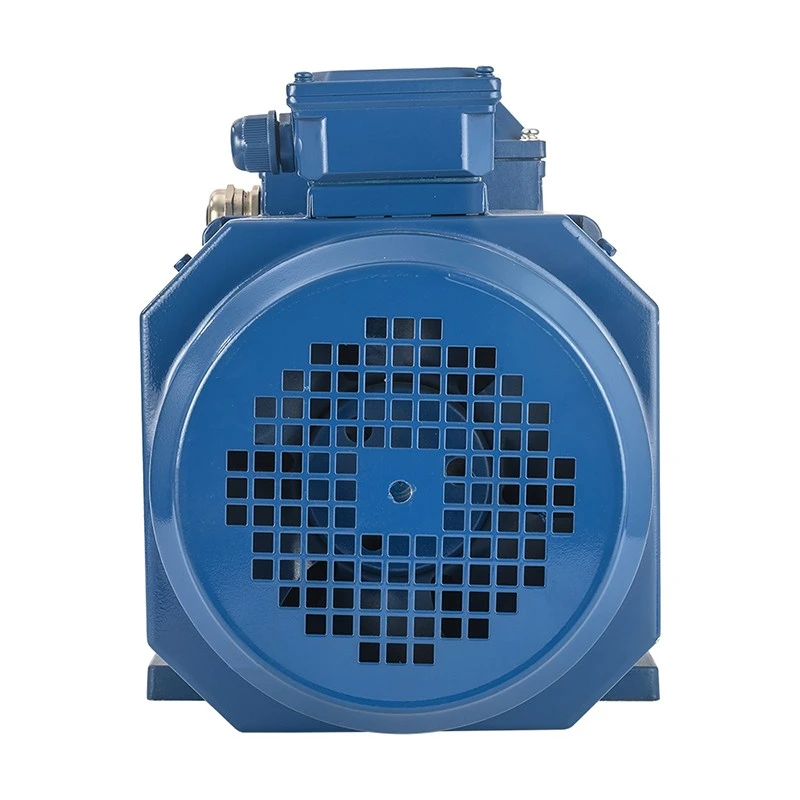
Our Electric Inboard Boat Motor Y90L - 2 - H is specifically designed for marine use. It has a waterproof and corrosion - resistant enclosure to protect it from the harsh marine environment. The motor also meets strict marine safety standards, ensuring reliable and safe operation on boats.
Conclusion
In conclusion, three - phase asynchronous motors used in hazardous environments have several special requirements. These include explosion - proof design, temperature control, dust and moisture resistance, electrical insulation, compatibility with hazardous substances, variable speed operation, and suitability for marine applications. As a supplier, we are committed to providing high - quality motors that meet these requirements and ensure the safety and reliability of our customers' operations.
If you are looking for a three - phase asynchronous motor for a hazardous environment, we would be more than happy to discuss your specific needs. Contact us for procurement and let's start a fruitful business relationship.
References
- IEC 60079 series standards for explosive atmospheres
- NEMA standards for motors and generators
- ISO standards for electrical equipment in hazardous areas


