

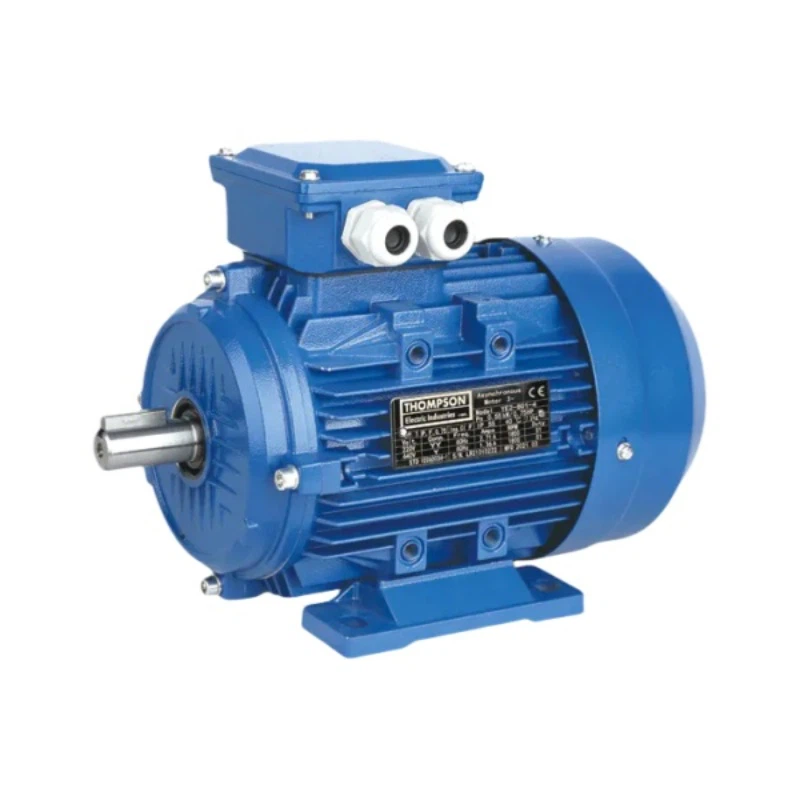
As a supplier of MS YS aluminum induction motors, I understand that these motors are reliable workhorses in various industrial and commercial applications. However, like any mechanical or electrical equipment, they can sometimes encounter issues. In this blog post, I'll share some practical tips on how to troubleshoot MS YS aluminum induction motors.
1. Initial Checks
Before delving into complex troubleshooting procedures, it's essential to perform some basic checks. These checks can often identify simple issues that can be quickly resolved.
Power Supply
The first thing to check is the power supply. Ensure that the motor is receiving the correct voltage and frequency. Incorrect power supply can cause the motor to run inefficiently or not at all. You can use a multimeter to measure the voltage at the motor terminals. If the voltage is significantly different from the rated voltage, check the circuit breaker, fuses, and wiring for any issues.
Motor Connections
Inspect the motor connections to make sure they are tight and secure. Loose connections can lead to overheating, voltage drops, and other problems. Check the terminal block for any signs of corrosion or damage. If you find any loose connections, tighten them using the appropriate tools.
Physical Inspection
Perform a visual inspection of the motor for any signs of damage, such as cracks in the housing, broken shafts, or loose parts. Check the cooling fins for any blockages that could impede airflow and cause the motor to overheat. Also, look for any signs of oil or grease leaks, which could indicate a problem with the seals or bearings.
2. Motor Won't Start
One of the most common issues with induction motors is that they won't start. Here are some possible causes and solutions:
Overload
If the motor is overloaded, it may not start. Check the load connected to the motor to make sure it is within the motor's rated capacity. If the load is too heavy, you may need to reduce it or replace the motor with a larger one.
Faulty Capacitor
In single-phase induction motors, a faulty capacitor can prevent the motor from starting. The capacitor is responsible for providing the initial torque needed to start the motor. If the capacitor is defective, it may need to be replaced. You can use a capacitor tester to check the capacitance of the capacitor.

Defective Starter
The starter is responsible for providing the initial current to the motor to start it. If the starter is defective, the motor may not start. Check the starter for any signs of damage or wear. You may need to replace the starter if it is faulty.
Open Circuit
An open circuit in the motor windings or the control circuit can prevent the motor from starting. Use a multimeter to check for continuity in the windings and the control circuit. If you find an open circuit, you may need to repair or replace the damaged component.
3. Motor Runs but with Issues
Sometimes, the motor may start and run, but it may exhibit abnormal behavior. Here are some common issues and their possible causes and solutions:
Overheating
Overheating is a serious issue that can damage the motor and reduce its lifespan. There are several possible causes of overheating, including:
- Overload: As mentioned earlier, an overloaded motor can overheat. Check the load and reduce it if necessary.
- Poor Ventilation: Blocked cooling fins or a malfunctioning fan can prevent proper ventilation, causing the motor to overheat. Clean the cooling fins and check the fan for any issues.
- High Ambient Temperature: If the motor is operating in a high-temperature environment, it may overheat. Consider providing additional cooling or relocating the motor to a cooler area.
- Faulty Windings: Short circuits or open circuits in the motor windings can cause overheating. Use a multimeter to check the windings for continuity and insulation resistance. If you find a problem with the windings, you may need to repair or replace the motor.
Noise and Vibration
Excessive noise and vibration can indicate a problem with the motor. Here are some possible causes and solutions:
- Misalignment: If the motor is not properly aligned with the load, it can cause noise and vibration. Check the alignment of the motor and the load and adjust it if necessary.
- Worn Bearings: Worn bearings can cause noise and vibration. Check the bearings for any signs of wear or damage. If the bearings are worn, they may need to be replaced.
- Loose Parts: Loose parts, such as bolts or nuts, can cause noise and vibration. Check the motor for any loose parts and tighten them using the appropriate tools.
Low Speed or Reduced Torque
If the motor is running at a lower speed than normal or has reduced torque, there may be a problem with the power supply, the motor windings, or the load. Here are some possible causes and solutions:
- Low Voltage: If the voltage is too low, the motor may run at a lower speed and have reduced torque. Check the voltage at the motor terminals and adjust it if necessary.
- Faulty Windings: Short circuits or open circuits in the motor windings can cause a reduction in speed and torque. Use a multimeter to check the windings for continuity and insulation resistance. If you find a problem with the windings, you may need to repair or replace the motor.
- Overload: An overloaded motor may run at a lower speed and have reduced torque. Check the load and reduce it if necessary.
4. Advanced Troubleshooting
If the basic troubleshooting steps do not resolve the issue, you may need to perform more advanced troubleshooting procedures. Here are some techniques that can be used:
Motor Testing
You can use a motor tester to perform various tests on the motor, such as insulation resistance testing, winding resistance testing, and current testing. These tests can help you identify any problems with the motor windings, insulation, or electrical performance.
Thermal Imaging
Thermal imaging can be used to detect hot spots in the motor, which can indicate problems such as overheating or electrical faults. A thermal imaging camera can be used to scan the motor and identify any areas that are hotter than normal.
Vibration Analysis
Vibration analysis can be used to detect any abnormal vibrations in the motor, which can indicate problems such as misalignment, worn bearings, or loose parts. A vibration analyzer can be used to measure the vibration levels and frequencies of the motor.
5. Conclusion
Troubleshooting MS YS aluminum induction motors requires a systematic approach and a basic understanding of electrical and mechanical principles. By performing the initial checks, identifying the problem, and using the appropriate troubleshooting techniques, you can often resolve the issue and get the motor back up and running.
If you are still having trouble troubleshooting your motor, or if you need a replacement motor, we are here to help. We offer a wide range of Three Phase 380v Aluminum Motor Foot Mounting, 100L-4 2.2KW Squirrel Cage Aluminum Electric Motor, and 1 2 Hp Electric Motor Aluminum Housing. Contact us today to discuss your needs and let us help you find the right solution for your application.
References
- Electric Motor Handbook, by Arnold E. Fitzgerald, Charles Kingsley Jr., and Stephen D. Umans
- Motor and Drive Troubleshooting, by Robert W. Erickson


