

As a seasoned marine motor supplier, I understand the critical importance of maintaining the fuel lines of a marine motor. The fuel lines are a vital component of any marine motor system, responsible for delivering fuel from the tank to the engine. A well-maintained fuel line ensures the efficient and safe operation of your marine motor. In this blog, I'll share some professional insights on how to check the fuel lines of a marine motor.
1. Preparation Before Inspection
Before you start checking the fuel lines, it's essential to gather the necessary tools and take safety precautions. First, make sure the boat is turned off, and all electrical switches are in the off position to prevent any potential ignition. You'll need a flashlight to inspect hard-to-reach areas, a pair of gloves to protect your hands, and a mirror to help you see around corners.

It's also a good idea to familiarize yourself with the layout of the fuel lines on your specific marine motor. Different models may have variations in the routing and configuration of the fuel lines. You can refer to the motor's user manual for detailed diagrams and instructions.
2. Visual Inspection
The first step in checking the fuel lines is a thorough visual inspection. Start by looking for any signs of damage, such as cracks, cuts, or abrasions. These can occur due to wear and tear, rubbing against other components, or exposure to harsh environmental conditions. Pay close attention to areas where the fuel lines are clamped or where they pass through tight spaces.
Check the fuel line connections at both ends. Ensure that the fittings are tight and secure, and there are no signs of leakage. A small amount of fuel residue around the connections may indicate a minor leak, while a significant puddle or a strong smell of fuel is a clear sign of a more serious problem.

Inspect the fuel line for any signs of swelling or bulging. This can be a sign of internal damage or the presence of contaminants in the fuel. If you notice any abnormal swelling, it's important to replace the fuel line immediately.
3. Checking for Blockages
A blocked fuel line can prevent the proper flow of fuel to the engine, leading to poor performance or even engine failure. To check for blockages, you can remove the fuel line from the engine and blow through it. If you encounter significant resistance or if air doesn't flow freely, there may be a blockage.
You can also use a fuel line cleaner to remove any debris or sediment that may be causing the blockage. Follow the manufacturer's instructions carefully when using a fuel line cleaner, as some products may require dilution or specific application methods.
Another way to check for blockages is to inspect the fuel filter. A clogged fuel filter can restrict the flow of fuel and cause similar problems as a blocked fuel line. Remove the fuel filter and check it for any signs of dirt, debris, or contamination. If the filter is dirty, replace it with a new one.
4. Pressure Testing
Pressure testing is a more advanced method of checking the fuel lines for leaks or blockages. To perform a pressure test, you'll need a fuel line pressure tester, which can be purchased at most marine supply stores.
First, connect the pressure tester to the fuel line at the engine end. Make sure the connections are tight and secure. Then, follow the instructions provided with the pressure tester to build up the pressure in the fuel line. The recommended pressure for testing will depend on the specific marine motor, so refer to the user manual for the correct pressure settings.
Once the pressure is built up, observe the pressure gauge on the tester. If the pressure drops rapidly, it indicates a leak in the fuel line. Check all the connections and the fuel line itself for any signs of leakage. If the pressure remains steady but is lower than the recommended level, there may be a blockage in the fuel line.
5. Flexibility and Integrity
In addition to checking for damage and blockages, it's important to assess the flexibility and integrity of the fuel lines. Over time, fuel lines can become brittle and lose their flexibility, especially if they are exposed to high temperatures or harsh chemicals.
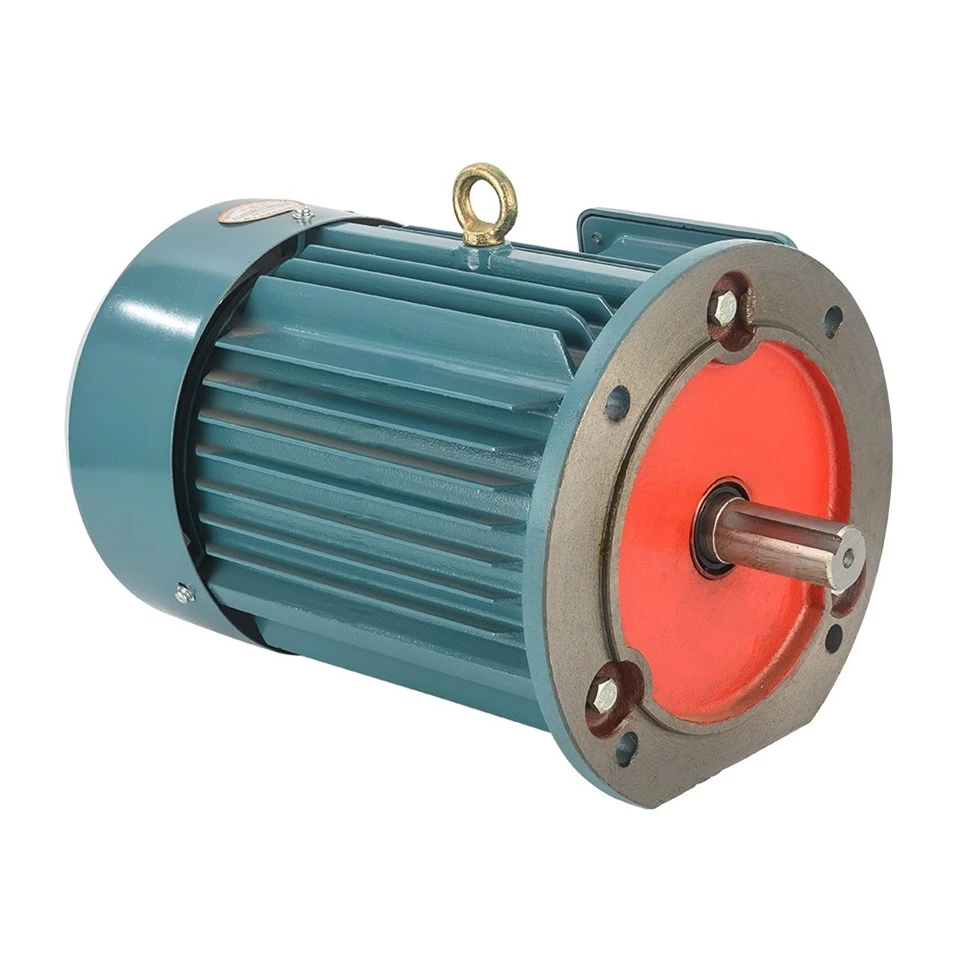
Gently bend the fuel line in a few places to check its flexibility. If the fuel line cracks or breaks easily, it's a sign that it needs to be replaced. Also, check for any signs of hardening or stiffening, which can indicate that the fuel line is deteriorating.
6. Importance of Regular Maintenance
Regular maintenance of the fuel lines is crucial for the long-term performance and reliability of your marine motor. By performing routine checks and inspections, you can identify and address any potential issues before they become major problems.
In addition to visual inspections and pressure testing, it's recommended to replace the fuel lines at regular intervals, typically every few years or as recommended by the manufacturer. This helps to ensure that the fuel lines are in good condition and free from any hidden damage.
7. Our Marine Motor Products
At our company, we offer a wide range of high-quality marine motors to meet the diverse needs of our customers. Two of our popular products are the Three Phase High Efficiency 380V Electric Boat Motor and the Electric Inboard Boat Motor Y90L-2-H. These motors are designed with advanced technology and reliable components to provide efficient and reliable performance on the water.
The Three Phase High Efficiency 380V Electric Boat Motor features a high-efficiency design that reduces energy consumption and provides powerful propulsion. It is suitable for a variety of boat types and applications, making it a popular choice among boat owners.
The Electric Inboard Boat Motor Y90L-2-H is a compact and lightweight motor that offers excellent performance and reliability. It is easy to install and maintain, making it a great option for both experienced and novice boaters.
8. Contact Us for Procurement
If you're in the market for a new marine motor or need more information about our products and services, we encourage you to contact us. Our team of experts is ready to assist you with your procurement needs and provide you with the best solutions for your boating requirements.
Whether you're looking for a high-performance electric motor or a reliable fuel-powered motor, we have the expertise and products to meet your needs. Don't hesitate to reach out to us and start a discussion about your marine motor requirements.

References
- Boat Owners Association of The United States (BOATUS). (n.d.). Marine Engine Maintenance. Retrieved from https://www.boatus.com/seaworthy/engine-maintenance/
- Mercury Marine. (n.d.). Fuel System Maintenance. Retrieved from https://www.mercurymarine.com/en-us/service/maintenance/fuel-system/
- Yamaha Marine. (n.d.). Outboard Engine Maintenance Guide. Retrieved from https://www.yamahaoutboards.com/en-us/maintenance/guide


