

The temperature rise limit of an electric motor is a crucial factor that determines its performance, efficiency, and lifespan. As a supplier of YE2 series electric motors, I often receive inquiries about the temperature rise limit of these motors. In this blog post, I will delve into the concept of temperature rise limit, its significance for YE2 series electric motors, and the factors that influence it.
Understanding Temperature Rise in Electric Motors
Before we discuss the temperature rise limit, it's essential to understand what temperature rise means in the context of electric motors. Temperature rise refers to the increase in temperature of the motor's winding and other components above the ambient temperature during operation. When an electric motor is running, electrical energy is converted into mechanical energy, but this process is not 100% efficient. Some of the electrical energy is lost as heat due to various factors such as copper losses in the windings, iron losses in the core, and mechanical losses in the bearings and other moving parts.
The heat generated in the motor needs to be dissipated to the surrounding environment to prevent overheating. If the heat is not dissipated effectively, the temperature of the motor will continue to rise, which can lead to several problems. High temperatures can cause the insulation materials in the windings to degrade, reducing their electrical insulation properties and increasing the risk of short circuits. It can also accelerate the wear and tear of mechanical components, such as bearings, leading to premature failure.
Temperature Rise Limit of YE2 Series Electric Motors
The temperature rise limit of YE2 series electric motors is specified based on international standards and the motor's insulation class. The insulation class of a motor determines the maximum temperature that the insulation materials can withstand without significant degradation over a long period. The most common insulation classes for YE2 series electric motors are Class B, Class F, and Class H, each with different temperature rise limits.
- Class B Insulation: Motors with Class B insulation have a maximum allowable temperature rise of 80°C (measured by resistance) or 75°C (measured by thermometer) above the ambient temperature. The maximum operating temperature of Class B insulation is 130°C.
- Class F Insulation: Class F insulation motors can tolerate a higher temperature rise. The maximum allowable temperature rise is 105°C (measured by resistance) or 100°C (measured by thermometer) above the ambient temperature, with a maximum operating temperature of 155°C.
- Class H Insulation: Motors with Class H insulation have the highest temperature tolerance. The maximum allowable temperature rise is 125°C (measured by resistance) or 120°C (measured by thermometer) above the ambient temperature, and the maximum operating temperature is 180°C.
It's important to note that the ambient temperature is typically assumed to be 40°C in most standard specifications. So, for example, a Class F insulation YE2 motor can operate at a maximum winding temperature of 155°C, which means it can have a temperature rise of up to 105°C above the 40°C ambient temperature.
Factors Influencing the Temperature Rise of YE2 Series Electric Motors
Several factors can influence the temperature rise of YE2 series electric motors. Understanding these factors can help users ensure that the motors operate within the specified temperature rise limits and avoid overheating issues.
1. Load Conditions
The load on the motor is one of the primary factors affecting its temperature rise. When a motor is operating under a heavy load, it needs to draw more current from the power supply to produce the required torque. The increased current flow in the windings leads to higher copper losses, which generate more heat. As a result, the temperature rise of the motor will be higher under heavy load conditions compared to light load conditions.
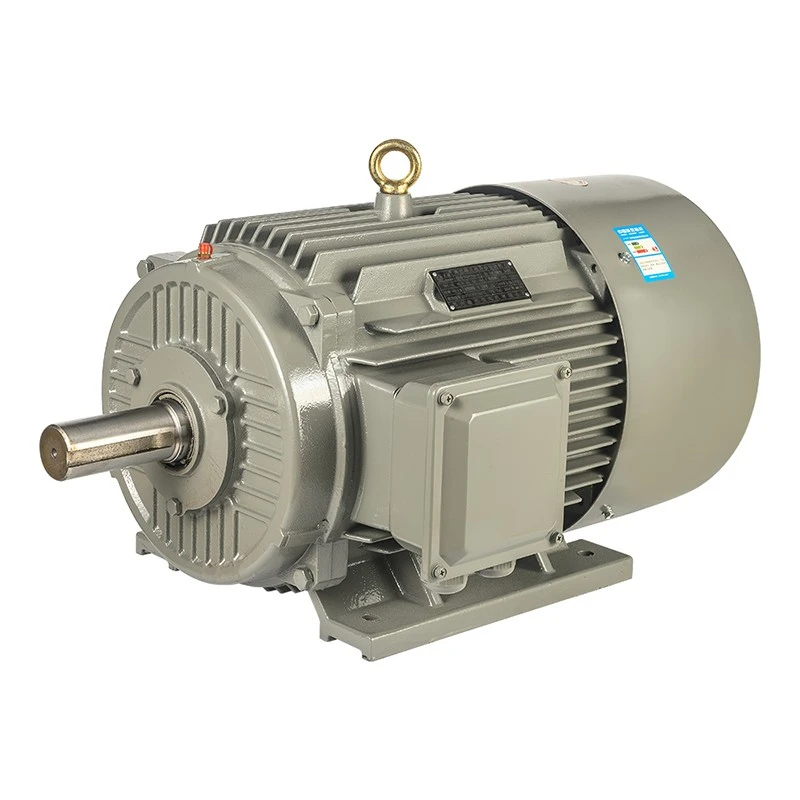

For example, if a YE2 motor is continuously operating at its rated load, it will experience a certain temperature rise. However, if the load exceeds the rated capacity of the motor, the temperature rise will increase significantly, and the motor may overheat. It's important to select the appropriate motor size for the application to ensure that it can handle the expected load without excessive temperature rise.
2. Ventilation and Cooling
Effective ventilation and cooling are essential for dissipating the heat generated in the motor. YE2 series electric motors are typically equipped with cooling fans or other cooling mechanisms to enhance heat dissipation. The design and efficiency of the cooling system can have a significant impact on the motor's temperature rise.
If the cooling fan is not working properly or if there are obstructions in the ventilation channels, the heat dissipation will be reduced, and the temperature of the motor will rise. Similarly, if the motor is installed in an enclosed space with poor air circulation, the heat will not be able to escape effectively, leading to higher temperature rise. It's important to ensure that the motor is installed in a well-ventilated area and that the cooling system is maintained regularly.
3. Ambient Temperature
The ambient temperature of the environment where the motor is operating also affects its temperature rise. As mentioned earlier, the temperature rise limits of YE2 motors are specified based on an assumed ambient temperature of 40°C. If the actual ambient temperature is higher than 40°C, the motor will have less margin for temperature rise before reaching the maximum operating temperature.
For example, if a Class F insulation YE2 motor is operating in an environment with an ambient temperature of 50°C, it can only have a temperature rise of 105°C to reach the maximum operating temperature of 155°C. In contrast, if the ambient temperature is 40°C, the motor can have a temperature rise of up to 115°C to reach the same maximum operating temperature. Therefore, in high-temperature environments, it may be necessary to select a motor with a higher insulation class or to take additional measures to reduce the ambient temperature around the motor.
4. Motor Design and Quality
The design and quality of the motor itself can also influence its temperature rise. Motors with better winding designs, more efficient core materials, and high-quality bearings and other components tend to have lower losses and better heat dissipation characteristics. This means that they will experience lower temperature rise compared to motors with inferior design and quality.
For example, a YE2 motor with a well-designed winding layout can reduce the resistance of the windings, which in turn reduces the copper losses and the heat generated. Similarly, a motor with a high-quality core material can reduce the iron losses and improve the overall efficiency of the motor. When selecting a YE2 series electric motor, it's important to choose a reliable supplier that offers high-quality motors with good design and performance.
Importance of Adhering to Temperature Rise Limits
Adhering to the temperature rise limits of YE2 series electric motors is crucial for several reasons.
1. Motor Lifespan
Operating the motor within the specified temperature rise limits helps to ensure its long-term reliability and lifespan. High temperatures can cause premature aging of the insulation materials and mechanical components, leading to increased maintenance costs and shorter motor lifespan. By keeping the temperature rise within the limits, the motor can operate more efficiently and last longer.
2. Safety
Overheating of the motor can pose a safety hazard. If the insulation materials degrade due to high temperatures, there is a risk of short circuits, which can lead to electrical fires or other safety incidents. By ensuring that the motor operates within the temperature rise limits, the risk of such safety issues can be minimized.
3. Energy Efficiency
A motor that operates within the temperature rise limits is more energy-efficient. When a motor overheats, its efficiency decreases because more energy is wasted as heat. By maintaining the proper temperature, the motor can convert more electrical energy into mechanical energy, reducing energy consumption and operating costs.
Our YE2 Series Electric Motors
As a supplier of YE2 series electric motors, we offer a wide range of motors with different power ratings, speeds, and insulation classes to meet the diverse needs of our customers. Our motors are designed and manufactured to the highest quality standards, ensuring reliable performance and long service life.
For example, our YE2-80M2-4 1HP Three Phase Electric Motor is a popular choice for various industrial applications. It is designed to operate efficiently under different load conditions and has a reliable cooling system to ensure proper heat dissipation.
We also offer Three Phase Engine Shaded Pole Asynchronous Motor and High Efficiency Copper Winding Washing Machine Motor, which are known for their high performance and energy efficiency.
Contact Us for Procurement
If you are looking for high-quality YE2 series electric motors for your application, we would be happy to assist you. Our team of experts can help you select the right motor based on your specific requirements and provide you with detailed technical information and support.
Whether you need a motor for a small-scale application or a large industrial project, we have the products and expertise to meet your needs. Contact us today to start the procurement process and discuss your requirements with our sales team. We look forward to working with you and providing you with the best solutions for your electric motor needs.
References
- International Electrotechnical Commission (IEC) standards for electric motors
- National Electrical Manufacturers Association (NEMA) standards for electric motors
- Manufacturer's technical documentation for YE2 series electric motors


