

Hey there! I'm a supplier of Electromagnetic Brake Induction Motors with a 5.5KW capacity. Today, I wanna chat about the influence of load type on these motors.
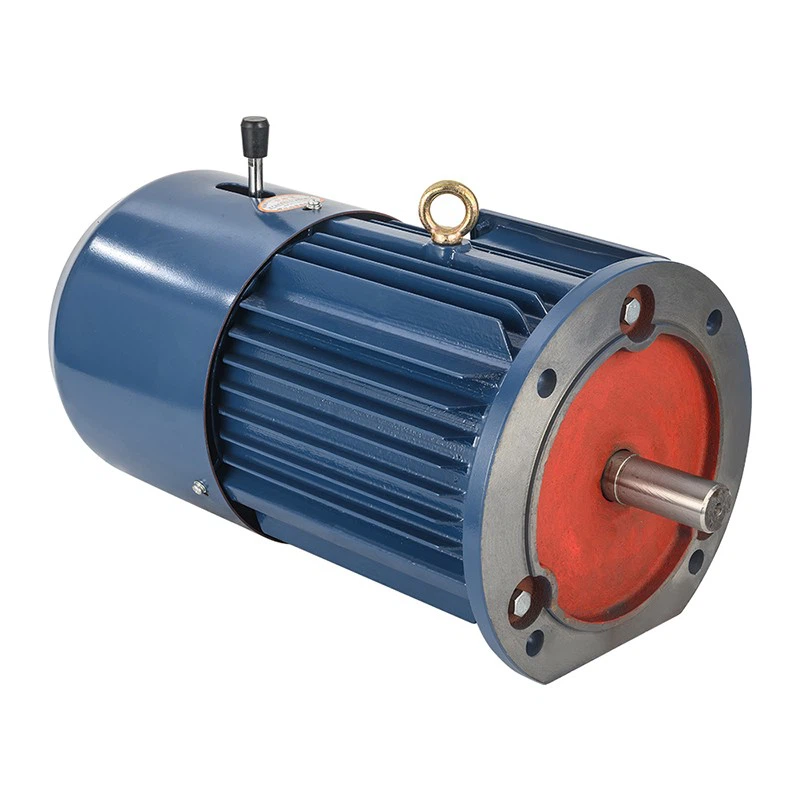

First off, let's understand what we're dealing with. An Electromagnetic Brake Induction Motor 5.5KW is a pretty powerful piece of equipment. It's used in a bunch of industrial applications where you need both the power to run and the ability to stop quickly and safely. And the load type it's working with can have a huge impact on how it performs.
Constant Torque Loads
Constant torque loads are those where the torque required by the load remains the same regardless of the speed. Think of conveyor belts or mixers. In these cases, the motor has to provide a steady amount of torque all the time.
For our 5.5KW Electromagnetic Brake Induction Motor, a constant torque load means it needs to maintain a consistent power output. The motor has to work hard right from the start to get the load moving and keep it going at a steady pace. The brake also needs to be able to handle the sudden stop when required. If the load is too heavy, the motor might struggle to start or could overheat during continuous operation.
Let's say you're using a Three Phase IMB5 Aluminum Frame Brake AC Motor in a conveyor system. The constant movement of the conveyor requires a constant torque from the motor. If the conveyor is carrying heavy items, the motor has to put in more effort. The electromagnetic brake, on the other hand, has to be strong enough to stop the conveyor immediately when needed. If the brake isn't up to the task, it could lead to safety issues or damage to the equipment.
Variable Torque Loads
Variable torque loads are different. The torque required by the load changes with the speed. A good example is a fan or a pump. At low speeds, these loads don't need much torque, but as the speed increases, the torque requirement goes up.
When our 5.5KW motor is dealing with a variable torque load, it has an advantage. At the start, when the load needs less torque, the motor doesn't have to work as hard. As the speed increases, the motor can gradually increase its power output. This means less stress on the motor during startup.
Take a Braking Motor YEJ Series Cast Iron Frame 100HP used in a pump system. When the pump is just starting, it doesn't need a lot of torque. The motor can easily get it going. As the pump speed increases and the water flow gets stronger, the motor ramps up its power. The brake in this case also has to be designed to handle the different speeds and torques. When the pump needs to stop, the brake has to account for the varying kinetic energy based on the speed.
Impact on Motor Efficiency
The load type also affects the efficiency of the 5.5KW Electromagnetic Brake Induction Motor. With a constant torque load, the motor is working at a relatively high power level all the time. This can lead to more energy consumption, especially if the load is heavy. On the other hand, a variable torque load allows the motor to operate more efficiently, as it can adjust its power output according to the load requirements.
If the motor is running at a lower efficiency for a long time, it can lead to higher operating costs. Overheating can also be a problem, which can reduce the lifespan of the motor and the brake. Regular maintenance is crucial to keep the motor running efficiently, regardless of the load type.
Impact on Braking System
The braking system of the 5.5KW motor is directly affected by the load type. In a constant torque load situation, the brake has to deal with a consistent amount of energy when stopping the load. This means it needs to be designed to handle that specific amount of force.
For variable torque loads, the brake has a more challenging job. It has to be able to adapt to the different levels of kinetic energy based on the speed of the load. If the brake isn't properly designed for the load type, it might not be able to stop the motor quickly enough, or it could wear out faster.
Choosing the Right Motor for the Load
As a supplier, I always recommend choosing the right motor based on the load type. If you have a constant torque load, make sure the motor has enough power to handle the steady demand. Look for a motor with a strong braking system that can stop the load safely.
If it's a variable torque load, you can consider a motor that can adjust its power output efficiently. The Motor 2.2kw Three Phase Induction Brake Motor might be a good option for smaller variable torque applications.
In conclusion, the load type has a significant influence on the performance, efficiency, and braking system of an Electromagnetic Brake Induction Motor 5.5KW. Understanding the load requirements is crucial for choosing the right motor and ensuring its long - term reliability.
If you're in the market for an Electromagnetic Brake Induction Motor 5.5KW or have any questions about load types and motor selection, feel free to reach out for a chat. We can discuss your specific needs and find the best solution for your application.
References
- Electric Machinery Fundamentals, Stephen J. Chapman
- Handbook of Electric Motors, Irving L. Kosow


