

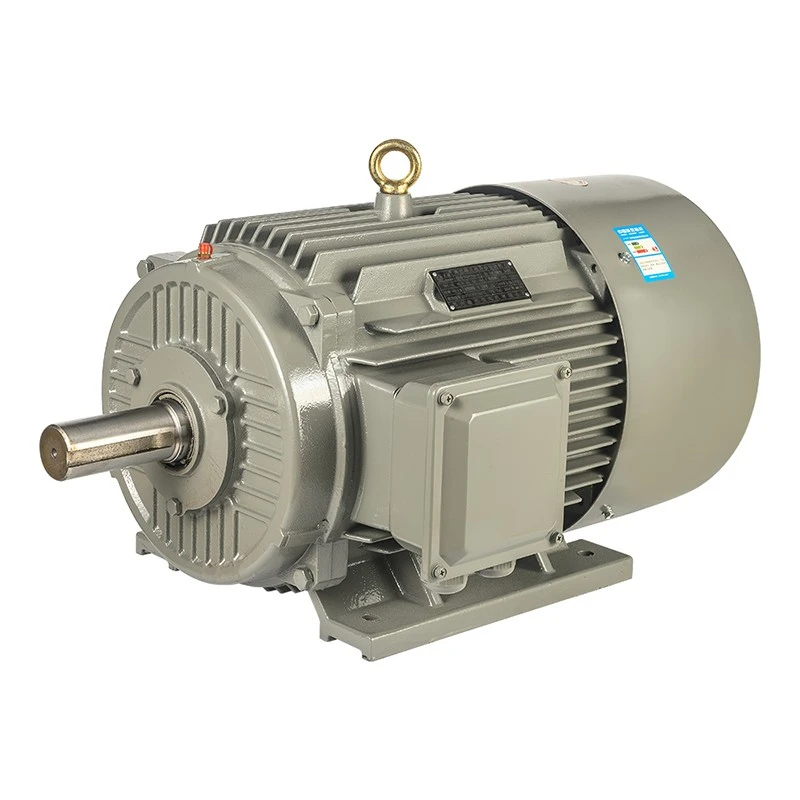
When dealing with a YE2 series electric motor that won't start, it can be a frustrating experience. As a supplier of YE2 series electric motors, I've encountered various issues over the years and have developed a systematic approach to troubleshooting. In this blog, I'll share some common causes and solutions to help you get your motor up and running again.

1. Check the Power Supply
The first step in troubleshooting a non - starting YE2 series electric motor is to examine the power supply. Without proper power, the motor simply won't start.
- Verify Voltage: Use a multimeter to measure the voltage at the motor terminals. The YE2 series motors are designed to operate within a specific voltage range. For example, a typical three - phase YE2 motor might be rated for 380V. If the measured voltage is significantly lower or higher than the rated voltage, it could prevent the motor from starting. Low voltage can be caused by issues such as overloaded circuits, loose connections in the power distribution system, or problems with the transformer. High voltage can damage the motor windings over time and also lead to starting problems.
- Check for Power Interruptions: Ensure that there are no tripped circuit breakers or blown fuses in the electrical panel that supplies power to the motor. A tripped breaker or blown fuse indicates an electrical fault, which could be due to a short - circuit in the motor or the wiring. Replace the fuse with one of the correct rating or reset the breaker only after identifying and rectifying the underlying problem.
- Inspect the Wiring: Look for any signs of damaged, loose, or corroded wiring. Loose connections can cause intermittent power supply or voltage drops. Corroded wires can increase resistance, leading to overheating and reduced power delivery. Make sure all connections are tight and clean. If you find any damaged wires, they should be replaced immediately.
2. Examine the Motor Starter
The motor starter is an important component that controls the starting and stopping of the motor. A malfunctioning starter can prevent the motor from starting.
- Check the Starter Contacts: The contacts in the motor starter can become worn, pitted, or stuck over time. Worn contacts may not make proper electrical contact, resulting in insufficient power being supplied to the motor. Use a visual inspection to look for signs of damage on the contacts. If they are worn or pitted, they may need to be replaced. Stuck contacts can be caused by debris or mechanical problems within the starter. Try to clean the contacts gently or repair the mechanical issue.
- Test the Starter Coil: The starter coil is responsible for energizing the starter and closing the contacts. Use a multimeter to check the resistance of the starter coil. If the resistance is outside the specified range, it indicates a problem with the coil. A short - circuited or open - circuited coil will prevent the starter from operating correctly and needs to be replaced.
- Verify the Starter Settings: Some motor starters have adjustable settings such as overload protection and starting current limits. Make sure these settings are correctly configured for the YE2 series motor. Incorrect settings can cause the starter to trip prematurely or prevent the motor from starting.
3. Inspect the Motor Windings
The motor windings are the heart of the electric motor. Any problems with the windings can lead to starting issues.
- Check for Continuity: Use a multimeter to check the continuity of the motor windings. Each phase winding should have a specific resistance value. If there is no continuity in a winding, it indicates an open - circuit, which could be due to a broken wire within the winding. A short - circuit between windings or between a winding and the motor frame can also occur. This can be detected by measuring the insulation resistance between the windings and the frame using a megohmmeter. Low insulation resistance may be a sign of moisture ingress, overheating, or physical damage to the insulation.
- Look for Signs of Overheating: Overheating can damage the motor windings. Check for any discoloration or burning smell around the motor. Overheating can be caused by factors such as overloading, poor ventilation, or high ambient temperatures. If the motor has overheated, it's important to identify and correct the root cause before attempting to start it again.
4. Evaluate the Motor Bearings
Faulty motor bearings can also prevent the motor from starting.
- Listen for Abnormal Noises: When trying to start the motor, listen for any grinding, squealing, or rattling noises. These noises can indicate problems with the bearings. Worn or damaged bearings can cause increased friction, which makes it difficult for the motor to rotate.
- Check the Bearing Lubrication: Insufficient or contaminated lubrication can lead to bearing failure. Some YE2 series motors have lubrication ports. Check the lubrication level and quality. If the lubricant is dirty or has dried out, it should be replaced according to the manufacturer's recommendations.
5. Consider Other Factors
- Mechanical Load: A motor may not start if the mechanical load it is driving is too high. Check if there are any obstructions or jams in the equipment connected to the motor. For example, if the motor is driving a conveyor belt, make sure there are no objects stuck on the belt.
- Environmental Conditions: Extreme temperatures, high humidity, or dusty environments can affect the performance of the motor. Make sure the motor is installed in a suitable environment and that any environmental protection measures, such as enclosures or ventilation systems, are working properly.
Product Recommendations
If you are in the market for a new YE2 series electric motor, we offer a wide range of high - quality products. For example, the YE2 - 80M2 - 4 1HP Three Phase Electric Motor is a reliable choice for various industrial applications. It has a high efficiency and is built to last. Another option is the Three Phase Engine Shaded Pole Asynchronous Motor, which offers unique features suitable for specific requirements. And if you need a motor for a washing machine, our High Efficiency Copper Winding Washing Machine Motor is a great option with its energy - saving design.
Conclusion
Troubleshooting a YE2 series electric motor that won't start requires a systematic approach. By checking the power supply, motor starter, windings, bearings, and considering other factors, you can often identify and resolve the problem. If you are still unable to get the motor to start after following these steps, it may be necessary to consult a professional electrician or contact the motor manufacturer for further assistance.
If you have any questions about our YE2 series electric motors or need help with troubleshooting, feel free to reach out to us. We are always ready to assist you with your procurement and technical needs. Let's start a conversation about how our motors can meet your specific requirements.
References
- Electrical Motor Handbook, Various Editions
- YE2 Series Electric Motor Manufacturer's Manuals


