

As a supplier of single phase motors, I understand the importance of ensuring that every component of these motors functions properly, especially the capacitor. The capacitor in a single phase motor plays a crucial role in starting and running the motor efficiently. In this blog post, I'll share some practical methods on how to test the capacitor in a single phase motor.
Why Testing the Capacitor is Important
Before delving into the testing methods, it's essential to understand why testing the capacitor is so crucial. In a single phase motor, the capacitor creates a phase shift in the current, which generates a rotating magnetic field. This rotating magnetic field is necessary for the motor to start and run smoothly. If the capacitor fails, the motor may not start at all, or it may run inefficiently, leading to increased energy consumption and potential damage to the motor.
Tools Required for Testing
To test the capacitor in a single phase motor, you'll need the following tools:
- Capacitance Meter: This is the most accurate tool for measuring the capacitance of the capacitor. It provides a direct reading of the capacitor's capacitance value.
- Multimeter: A multimeter can also be used to test the capacitor. It can measure the resistance and voltage of the capacitor, which can help determine if the capacitor is functioning properly.
- Insulated Gloves and Safety Glasses: These safety equipment are essential to protect you from electrical shock when working with the capacitor.
Pre - testing Precautions
Before you start testing the capacitor, it's important to take the following precautions:
- Disconnect the Power: Always disconnect the single phase motor from the power source to avoid electrical shock.
- Discharge the Capacitor: Capacitors can store electrical charge even after the power is disconnected. Use a resistor to discharge the capacitor safely. Connect a resistor across the capacitor terminals for a few minutes to drain the stored charge.
Testing the Capacitor with a Capacitance Meter
The capacitance meter is the most accurate way to test the capacitor. Here's how you can do it:

- Set the Capacitance Meter: Turn on the capacitance meter and set it to the appropriate capacitance range. Most single phase motor capacitors have a capacitance value between 10 - 100 microfarads.
- Connect the Leads: Connect the leads of the capacitance meter to the terminals of the capacitor. Make sure the connections are secure.
- Read the Value: The capacitance meter will display the capacitance value of the capacitor. Compare this value with the rated capacitance value printed on the capacitor. If the measured value is within 10% of the rated value, the capacitor is in good condition. If the measured value is significantly different, the capacitor may be faulty and needs to be replaced.
Testing the Capacitor with a Multimeter
If you don't have a capacitance meter, you can use a multimeter to test the capacitor. Here are two methods:
Resistance Test
- Set the Multimeter: Set the multimeter to the resistance (ohms) mode.
- Connect the Leads: Connect the leads of the multimeter to the terminals of the capacitor.
- Observe the Reading: When you first connect the leads, the multimeter should show a low resistance value, which indicates that the capacitor is charging. As the capacitor charges, the resistance value should increase. If the multimeter shows a very low or zero resistance value continuously, the capacitor may be short - circuited. If the multimeter shows infinite resistance, the capacitor may be open - circuited.
Voltage Test
- Charge the Capacitor: Connect the capacitor to a DC power source for a few seconds to charge it. Make sure the voltage of the power source is within the rated voltage of the capacitor.
- Set the Multimeter: Set the multimeter to the DC voltage mode.
- Measure the Voltage: Connect the leads of the multimeter to the terminals of the capacitor. The multimeter should display a voltage value close to the voltage of the power source. If the measured voltage is significantly lower, the capacitor may be faulty.
Common Capacitor Problems and Solutions
- Capacitor Leakage: This can be detected by the presence of a brownish or oily substance around the capacitor. Leakage can cause the capacitor to lose its capacitance and may lead to motor failure. If you detect leakage, replace the capacitor immediately.
- Capacitor Overheating: Overheating can be caused by excessive current or a high - temperature environment. If the capacitor feels hot to the touch, it may be overheating. Check the motor's operating conditions and replace the capacitor if necessary.
Our Single Phase Motor Products
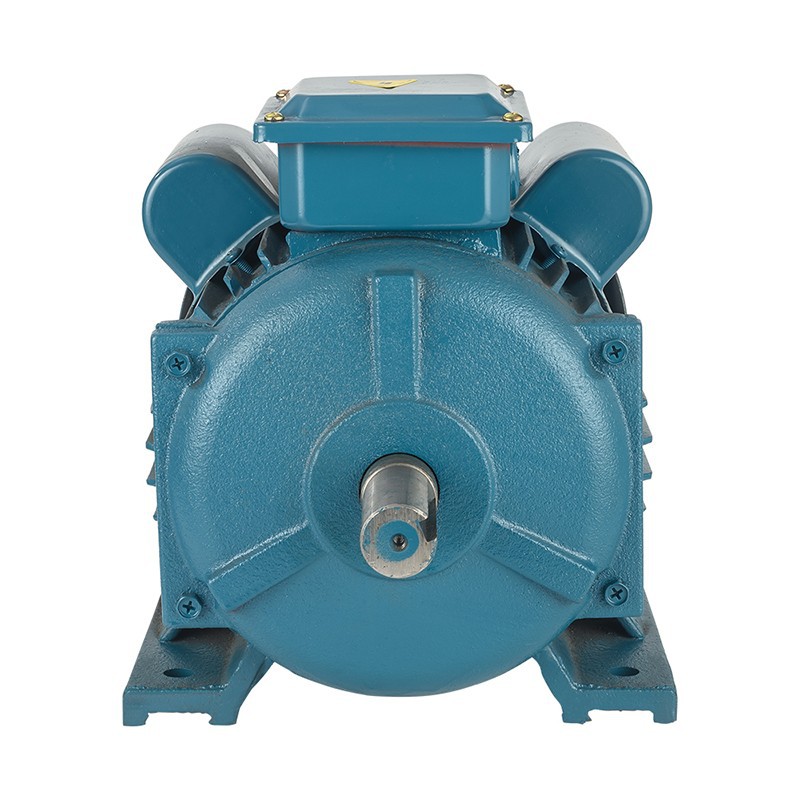
At our company, we offer a wide range of single phase motors, including the YC Capacitor Start Single Phase Induction Motor IP44, Hot Selling YL Single Phase Asynchronous Motor, and YCL Heavy Duty Two Capacitors Single Phase Motor. These motors are designed with high - quality capacitors to ensure reliable performance.
Contact Us for Purchase and Consultation
If you're interested in our single phase motors or have any questions about capacitor testing or motor maintenance, we're here to help. Whether you're a small business owner or a large - scale industrial user, our team of experts can provide you with the best solutions. Feel free to reach out to us for more information and to start a procurement negotiation.
References
- "Electric Motors and Control Systems" by Stephen L. Herman
- "Single - Phase Induction Motors: Analysis, Design, and Application" by A. E. Fitzgerald, Charles Kingsley Jr., and Stephen D. Umans


