

As a supplier of YE2 series electric motors, I've witnessed firsthand the importance of preventing over - heating in these motors. Over - heating can not only reduce the efficiency of the motor but also significantly shorten its lifespan, leading to costly repairs and replacements. In this blog, I'll share some effective strategies to prevent the over - heating of YE2 series electric motors.
Understanding the Causes of Over - heating
Before we delve into prevention methods, it's crucial to understand what causes YE2 series electric motors to over - heat. There are several factors that can contribute to this issue.
1. Overloading
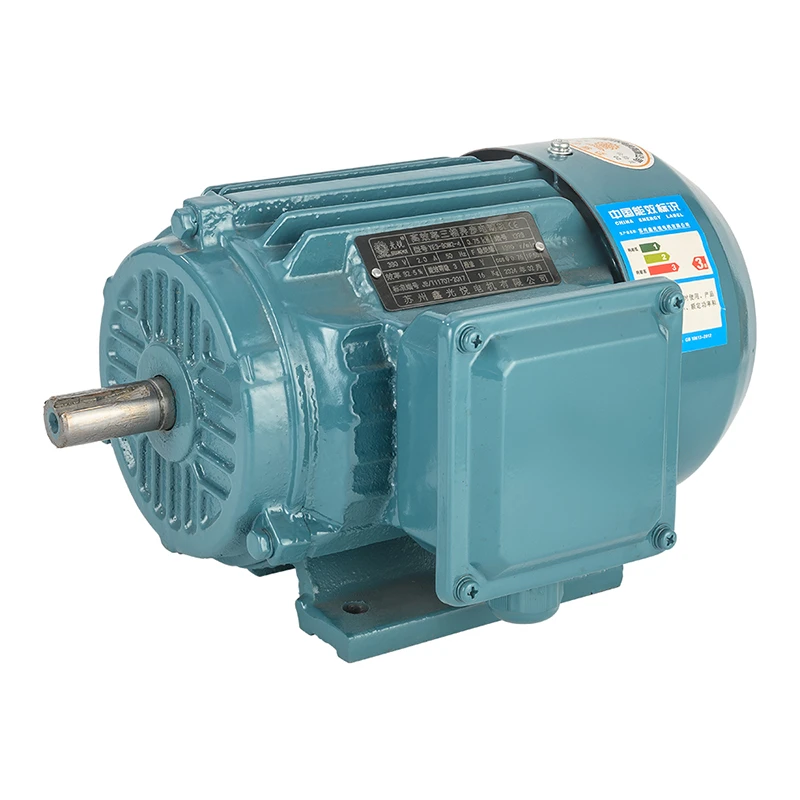
When a motor is forced to work beyond its rated capacity, it generates more heat than it can dissipate. For example, if a YE2 - 80M2 - 4 1HP Three Phase Electric Motor is used to drive a load that requires more power than its 1HP rating, the current flowing through the motor windings will increase. This increased current causes more resistive heating in the windings, leading to over - heating.
2. Poor Ventilation
YE2 series motors rely on proper ventilation to dissipate heat. If the ventilation channels are blocked by dust, debris, or if the motor is installed in an enclosed space with inadequate air circulation, the heat generated during operation cannot be effectively removed. As a result, the temperature of the motor rises, potentially causing over - heating.
3. Electrical Issues
Problems such as short - circuits, unbalanced voltage, or high resistance in the electrical connections can also lead to over - heating. A short - circuit in the motor windings can cause a large amount of current to flow through a small area, generating excessive heat. Unbalanced voltage can cause uneven loading on the motor phases, leading to increased heating in some parts of the motor. High resistance in the electrical connections can cause power losses in the form of heat at the connection points.
4. Bearing Problems
Worn or damaged bearings can increase the friction in the motor. This additional friction generates heat, which can contribute to over - heating. If the bearings are not properly lubricated, the friction will be even higher, further exacerbating the problem.

Preventive Measures
1. Proper Sizing and Loading
- Select the Right Motor: When choosing a YE2 series motor for a specific application, it's essential to select a motor with the appropriate power rating. Consider the load requirements, including the starting torque, running torque, and the duty cycle of the application. For example, if you need a motor for a washing machine, you might consider a High Efficiency Copper Winding Washing Machine Motor. Using an under - sized motor will lead to over - loading and over - heating, while an over - sized motor can be inefficient and costly.
- Avoid Overloading: Once the motor is installed, make sure not to exceed its rated capacity. Monitor the load regularly and take appropriate measures if the load approaches or exceeds the motor's rating. This may involve reducing the load or upgrading to a more powerful motor.
2. Ensure Adequate Ventilation
- Keep the Motor Clean: Regularly clean the motor to remove dust, dirt, and debris that may block the ventilation channels. Use compressed air or a soft brush to clean the exterior of the motor and the ventilation openings.
- Proper Installation: Install the motor in a well - ventilated area. Avoid placing the motor in a confined space or near heat - generating equipment. Make sure there is enough clearance around the motor for air to circulate freely. If necessary, install additional ventilation equipment such as fans or blowers to improve the air circulation around the motor.
3. Address Electrical Issues
- Regular Electrical Inspections: Conduct regular electrical inspections of the motor to check for short - circuits, unbalanced voltage, and high resistance in the electrical connections. Use appropriate testing equipment such as multimeters and insulation resistance testers to perform these checks.
- Maintain Proper Voltage: Ensure that the voltage supplied to the motor is within the rated range. Use voltage regulators or stabilizers if necessary to maintain a stable voltage. Unbalanced voltage can be corrected by adjusting the power supply or by using phase - balancing equipment.
- Tighten Electrical Connections: Loose electrical connections can cause high resistance and heat generation. Regularly check and tighten all electrical connections to ensure good contact.
4. Maintain Bearings
- Lubrication: Follow the manufacturer's recommendations for bearing lubrication. Use the appropriate type and amount of lubricant. Over - lubrication can also cause problems, such as increased friction and heat generation, so it's important to use the correct amount.
- Inspect Bearings Regularly: Check the bearings for signs of wear, damage, or excessive noise. Replace worn or damaged bearings promptly to prevent further problems.
5. Use Temperature Monitoring Devices
- Thermal Sensors: Install thermal sensors in the motor to monitor the temperature. These sensors can provide real - time temperature data and can be set to trigger an alarm or shut down the motor if the temperature exceeds a certain threshold. This can help prevent serious damage to the motor due to over - heating.
Conclusion
Preventing the over - heating of YE2 series electric motors is essential for ensuring their reliable operation and longevity. By understanding the causes of over - heating and implementing the preventive measures outlined above, you can significantly reduce the risk of over - heating and extend the life of your motors.
If you're in the market for high - quality YE2 series electric motors or need further advice on motor maintenance and over - heating prevention, I encourage you to reach out to us. We're here to help you find the right motor for your application and ensure its optimal performance. Whether you need a High Efficiency Copper Winding Washing Machine Motor or a Low Rpm Electric Motor Three Phase Electric Motor, we have a wide range of products to meet your needs. Contact us today to start a procurement discussion.
References
- Electrical Machinery Fundamentals by Stephen Chapman
- Motor and Drive Troubleshooting Handbook by Billingsley and Kuhn


