

As a supplier of YCT YZR electric motors, I've witnessed firsthand the importance of these motors in various industrial applications. YCT motors, known as electromagnetic speed - adjustable induction motors, and YZR motors, which are designed for crane and metallurgical applications, play crucial roles in driving machinery and ensuring smooth operations. However, one of the most common concerns among our clients is how to improve the efficiency of these motors. In this blog post, I'll share some practical strategies based on my years of experience in the industry.

Understanding the Basics of YCT YZR Electric Motors
Before delving into the ways to improve efficiency, it's essential to understand the basic working principles of YCT and YZR electric motors.
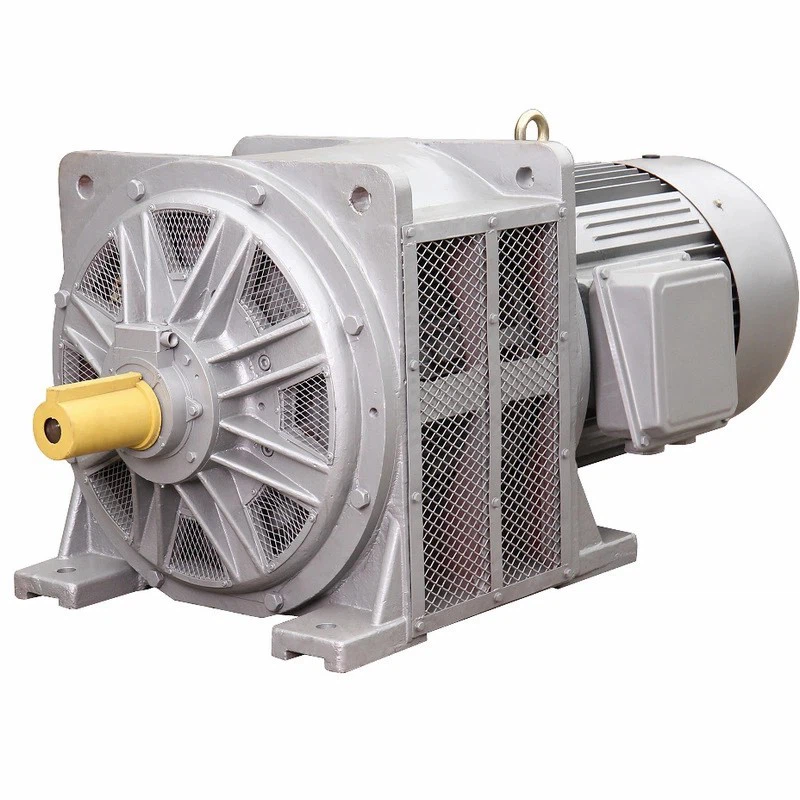
YCT motors, or Electromagnetic Speed - adjustable Induction Motor, are characterized by their ability to adjust speed smoothly. They consist of an ordinary cage - type induction motor and an electromagnetic slip clutch. The speed adjustment is achieved by changing the excitation current of the electromagnetic clutch. This type of motor is widely used in textile, printing, and food processing industries where variable speed control is required.
On the other hand, YZR motors are designed for heavy - duty applications such as cranes and metallurgical machinery. They are built to withstand high - starting torque, frequent starting, braking, and reversing operations. These motors are usually equipped with a special rotor structure and insulation system to ensure reliable performance under harsh working conditions.
Regular Maintenance
One of the most fundamental ways to improve the efficiency of YCT YZR electric motors is regular maintenance. Just like any other mechanical equipment, electric motors need proper care to operate at their best.
- Cleaning: Dust, dirt, and debris can accumulate on the motor's surface and inside its components over time. This can obstruct the heat dissipation of the motor, leading to overheating and reduced efficiency. Regularly cleaning the motor, including the exterior and the ventilation channels, can prevent such problems. Use a soft brush or compressed air to remove the dirt gently.
- Lubrication: Proper lubrication of the motor's bearings is crucial. Insufficient lubrication can cause increased friction, which not only reduces efficiency but also shortens the lifespan of the bearings. Check the lubrication level regularly and add the appropriate lubricant as recommended by the manufacturer.
- Inspection of Electrical Connections: Loose or corroded electrical connections can lead to power losses and even electrical failures. Periodically inspect all the electrical connections, including terminals, wires, and switches. Tighten any loose connections and replace any corroded parts.
Optimize Motor Loading
Operating the motor at the appropriate load is another key factor in improving efficiency.
- Avoid Overloading: Overloading a motor can cause it to draw more current than it is designed for, leading to excessive heat generation and increased energy consumption. Make sure to select a motor with a suitable power rating for the specific application. If the motor is frequently overloaded, consider upgrading to a higher - power motor.
- Prevent Underloading: Underloading a motor can also be inefficient. When a motor operates at a very low load, its efficiency drops significantly. If you find that the motor is consistently underloaded, you may need to downsize the motor or adjust the application to increase the load.
Upgrade Control Systems
Modern control systems can significantly improve the efficiency of YCT YZR electric motors.
- Variable Frequency Drives (VFDs): For YCT motors, VFDs can be used to replace the traditional electromagnetic speed - control method in some cases. VFDs can adjust the motor's speed by changing the frequency of the power supply, which is more energy - efficient than the electromagnetic clutch method. By precisely controlling the motor speed according to the actual load requirements, VFDs can reduce energy consumption and improve overall system efficiency.
- Smart Control Systems: Implementing smart control systems can optimize the operation of YZR motors. These systems can monitor the motor's operating parameters such as current, voltage, and temperature in real - time and adjust the motor's operation accordingly. For example, if the system detects that the motor is overheating, it can automatically reduce the load or adjust the cooling system to prevent damage and improve efficiency.
Improve the Working Environment
The working environment of the motor can also have a significant impact on its efficiency.
- Temperature Control: High temperatures can reduce the efficiency of electric motors. Ensure that the motor is installed in a well - ventilated area and that the ambient temperature is within the allowable range specified by the manufacturer. If necessary, install additional cooling equipment such as fans or air - conditioning units.
- Humidity and Moisture: Excessive humidity and moisture can cause corrosion of the motor's components, leading to electrical insulation problems and reduced efficiency. Keep the motor in a dry environment and use moisture - proof measures such as enclosures and desiccants.
Use High - Quality Components
Using high - quality components in the motor and its associated systems can improve efficiency and reliability.
- Motor Windings: High - quality motor windings with low resistance can reduce copper losses and improve energy efficiency. When replacing or repairing the motor, choose windings made of high - grade copper or other suitable conductive materials.
- Bearings and Seals: Good - quality bearings and seals can reduce friction and prevent the ingress of dust and moisture. Invest in high - performance bearings and seals to ensure smooth operation and long - term reliability of the motor.
Case Study: YCT200 - 4A Electromagnetic Speed 3 Phase Motor
Let's take the YCT200 - 4A Electromagnetic Speed 3 Phase Motor as an example. A client in the textile industry was facing high energy consumption and frequent motor breakdowns with their old YCT motor. After our technical team conducted a comprehensive assessment, we recommended several improvements.
First, we cleaned and lubricated the motor thoroughly. Then, we replaced the old control system with a VFD. By using the VFD, the motor could adjust its speed more precisely according to the actual weaving speed requirements. Additionally, we upgraded the motor's bearings and seals to high - quality ones.
After these improvements, the client reported a significant reduction in energy consumption, up to 20%. The motor breakdown frequency also decreased substantially, leading to increased production efficiency and reduced maintenance costs.
Conclusion
Improving the efficiency of YCT YZR electric motors requires a comprehensive approach that includes regular maintenance, optimizing motor loading, upgrading control systems, improving the working environment, and using high - quality components. By implementing these strategies, you can not only reduce energy consumption and operating costs but also extend the lifespan of the motors and improve the overall reliability of your industrial systems.
If you are interested in learning more about how to improve the efficiency of our YCT YZR electric motors or are considering purchasing our products, please feel free to contact us for a detailed consultation. We are committed to providing you with the best solutions to meet your specific needs.
References
- “Electric Motor Handbook” by Paul C. Krause, Oleg Wasynczuk, and Scott D. Sudhoff
- Industry standards and guidelines for electric motor operation and maintenance.


