

Hey there! As a supplier of YVF frequency variable motors, I've been getting a lot of questions lately about how to improve the dynamic response performance of these motors. So, I thought I'd share some tips and tricks that I've picked up over the years.
First off, let's talk about what dynamic response performance means. In simple terms, it's how quickly and accurately a motor can respond to changes in load or speed. A motor with good dynamic response can adjust its output in a flash, which is crucial in applications where precision and efficiency are key.
One of the most effective ways to improve dynamic response is to optimize the motor's control system. This involves fine-tuning the parameters of the inverter that drives the motor. For example, you can adjust the acceleration and deceleration times to match the specific requirements of your application. If you need the motor to start and stop quickly, you can set shorter acceleration and deceleration times. On the other hand, if you're dealing with a heavy load, you might want to set longer times to prevent the motor from overheating or stalling.
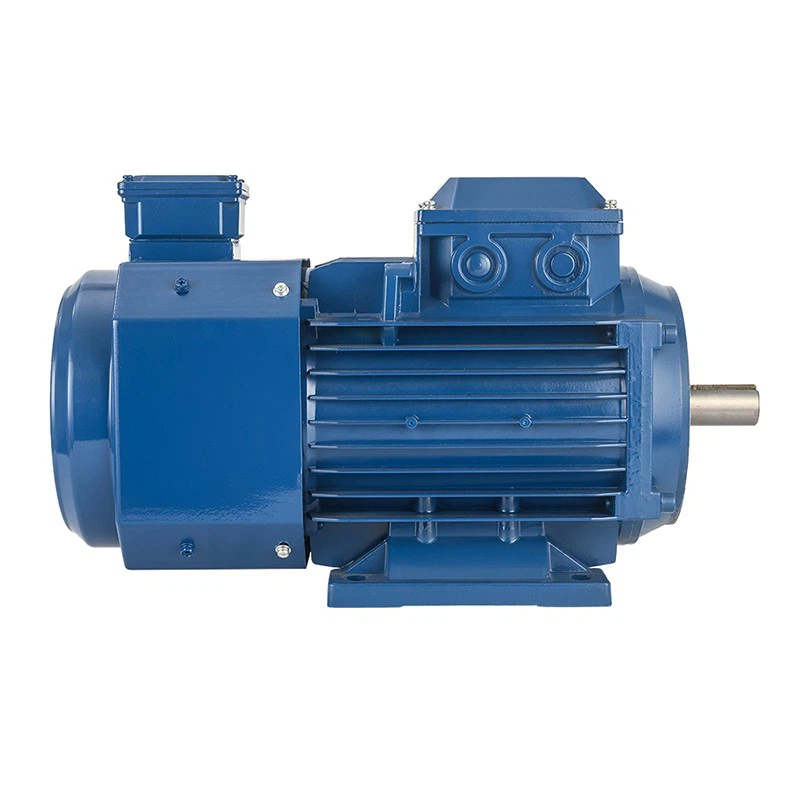
Another important factor is the motor's torque characteristics. Torque is the force that causes the motor to rotate, and having the right amount of torque at the right time is essential for good dynamic response. You can improve the torque characteristics of your YVF motor by choosing the right motor size and type for your application. For instance, if you need high starting torque, you might consider a motor with a high starting current. Our 2HP 5HP 10HP 20HP Variable Speed Electric Motor comes in different power ratings, allowing you to select the one that best suits your torque requirements.

The quality of the power supply also plays a significant role in dynamic response. A stable and clean power supply is crucial for the proper operation of the motor and its control system. Voltage fluctuations, harmonics, and other power quality issues can cause the motor to behave erratically and reduce its dynamic response performance. To ensure a stable power supply, you can use a voltage regulator or a power conditioner. Additionally, make sure that the electrical wiring is properly sized and installed to minimize voltage drops.
Proper maintenance of the motor is also key to maintaining good dynamic response. Regularly check the motor for signs of wear and tear, such as loose connections, damaged bearings, or overheating. Clean the motor and its cooling system to prevent dust and debris from accumulating, which can affect the motor's performance. Lubricate the bearings as recommended by the manufacturer to reduce friction and ensure smooth operation.
In some cases, you might need to upgrade the motor or its components to improve dynamic response. For example, if your motor is old and outdated, it might not be able to keep up with the demands of your application. Upgrading to a newer model, such as our YVF2 Frequency Control Three - phase Asynchronous Motor, can provide better performance and more advanced control features. You can also consider upgrading the inverter to a more powerful or advanced model that offers better control algorithms and faster response times.
The type of load that the motor is driving can also impact its dynamic response. Different loads have different inertia, friction, and torque requirements. For example, a high - inertia load, such as a large flywheel or a conveyor belt, will require more torque to start and stop compared to a low - inertia load. Understanding the characteristics of your load and matching the motor's performance to it is essential. You can use load - testing equipment to measure the load's characteristics and then adjust the motor's control parameters accordingly.
Feedback control systems are another great way to improve dynamic response. By using sensors to measure the motor's speed, position, or torque, you can provide real - time feedback to the control system. The control system can then adjust the motor's output based on this feedback to ensure accurate and responsive operation. For example, a speed feedback system can help maintain a constant speed even when the load changes.
Now, let's talk about the benefits of improving the dynamic response performance of your YVF frequency variable motor. Firstly, it can significantly improve the efficiency of your system. A motor that can respond quickly to changes in load can operate more efficiently, reducing energy consumption and saving you money in the long run. Secondly, it can enhance the quality of your product or process. In applications where precision is crucial, such as in manufacturing or robotics, a motor with good dynamic response can ensure that the product is produced with high accuracy and consistency.
If you're in the market for a YVF frequency variable motor or looking to improve the performance of your existing motor, we're here to help. Our range of motors, including the Inverter Adjustable 50Hz 60Hz Three Phase Motor, is designed to offer excellent performance and reliability. We have a team of experts who can provide you with personalized advice and support to help you choose the right motor and optimize its performance for your specific application.
Whether you're a small business owner or a large industrial manufacturer, improving the dynamic response performance of your YVF motor can have a significant impact on your bottom line. So, don't hesitate to reach out to us to discuss your requirements and explore how we can help you achieve better results. We're always happy to have a chat and work with you to find the best solutions for your motor needs.
References:
- "Electric Motor Handbook" by Arnold Tustin
- "Power Electronics and Motor Drives: Technology, Performance, and Applications" by Bimal K. Bose


