

As a supplier of High Efficiency IE3 Explosion - proof Motors, I am often asked about the starting torque to inertia ratio of these motors. This is a crucial parameter, especially in applications where quick acceleration and smooth startup are required, particularly in potentially explosive environments. In this blog, we'll explore whether High Efficiency IE3 Explosion - proof Motors have a high starting torque to inertia ratio.
Understanding Starting Torque to Inertia Ratio
Before delving into the specifics of High Efficiency IE3 Explosion - proof Motors, it's essential to understand what the starting torque to inertia ratio means. The starting torque is the torque produced by the motor at the moment of startup. It must be sufficient to overcome the inertia of the load and initiate rotation. Inertia, on the other hand, is a measure of an object's resistance to changes in its state of motion. A high starting torque to inertia ratio indicates that the motor can quickly accelerate the load, reducing the startup time and minimizing stress on the motor and the connected equipment.
Characteristics of High Efficiency IE3 Explosion - proof Motors
High Efficiency IE3 Explosion - proof Motors are designed to operate in hazardous areas where explosive gases, vapors, or dusts may be present. These motors comply with strict safety standards to prevent ignition of the surrounding explosive atmosphere. High Efficiency IE3 Explosion - proof Motor are also engineered for high efficiency, which means they consume less energy compared to their lower - efficiency counterparts.
The design of these motors incorporates advanced materials and technologies to enhance their performance. For example, they often use high - quality magnetic materials in the stator and rotor to improve the magnetic field distribution, which can increase the torque output. Additionally, the motor windings are carefully designed to optimize the electrical characteristics, resulting in better starting and running performance.
Factors Affecting the Starting Torque to Inertia Ratio
Several factors influence the starting torque to inertia ratio of High Efficiency IE3 Explosion - proof Motors:
Motor Design
The physical design of the motor plays a significant role. Motors with a larger diameter and shorter length tend to have a higher starting torque to inertia ratio. This is because a larger diameter provides more surface area for the magnetic field to interact with, increasing the torque output. At the same time, a shorter length reduces the moment of inertia, making it easier for the motor to accelerate the load.
Rotor Design
The rotor design is another critical factor. Squirrel - cage rotors are commonly used in High Efficiency IE3 Explosion - proof Motors. The shape, size, and material of the rotor bars can affect the starting torque. For instance, deep - bar or double - cage rotors can provide high starting torque by increasing the rotor resistance during startup. As the motor speeds up, the rotor resistance decreases, allowing for efficient operation at full speed.
Power Rating
The power rating of the motor also impacts the starting torque to inertia ratio. Generally, larger - power motors have a higher starting torque capacity. However, the inertia of the load also needs to be considered. A high - power motor may not necessarily have a high starting torque to inertia ratio if the load has a very high inertia.
Do High Efficiency IE3 Explosion - proof Motors Have a High Starting Torque to Inertia Ratio?
In general, High Efficiency IE3 Explosion - proof Motors are designed to have a relatively high starting torque to inertia ratio. The advanced design and materials used in these motors allow them to generate sufficient starting torque to overcome the inertia of most loads. However, the actual ratio can vary depending on the specific motor model and the application requirements.
For example, the YBX4 Flameproof Three Phase Asynchronous Motor is a type of High Efficiency IE3 Explosion - proof Motor that is known for its good starting performance. It is designed with a carefully optimized rotor and stator configuration to provide a high starting torque to inertia ratio. This makes it suitable for applications where quick startup is required, such as pumps, compressors, and conveyor systems in hazardous environments.
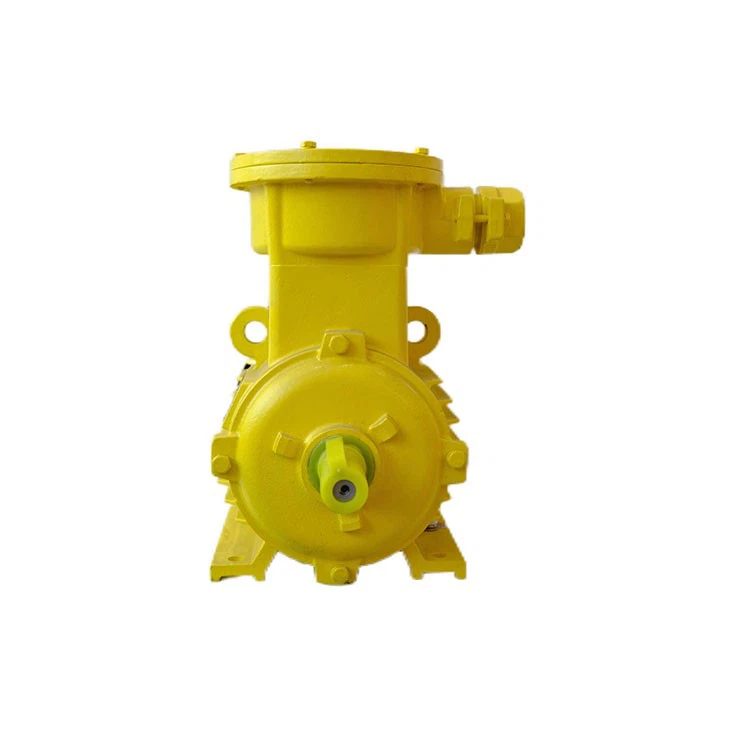
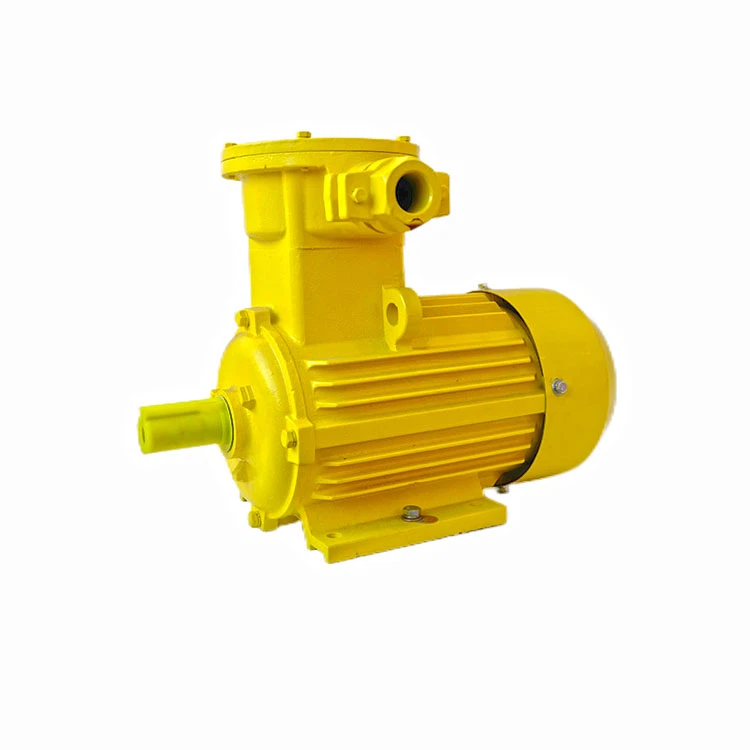
Similarly, the YBX3 Three Phase Explosion Proof Motor also offers a decent starting torque to inertia ratio. It is a reliable option for various industrial applications in explosive atmospheres, providing a balance between starting performance and energy efficiency.
Applications Requiring a High Starting Torque to Inertia Ratio
There are many applications where a high starting torque to inertia ratio is essential for High Efficiency IE3 Explosion - proof Motors:
Oil and Gas Industry
In the oil and gas industry, motors are used in pumps, compressors, and other equipment in hazardous areas. These applications often require quick startup to ensure smooth operation and prevent damage to the equipment. A high starting torque to inertia ratio allows the motors to start the equipment rapidly, reducing downtime and improving productivity.
Chemical Industry
In chemical plants, where explosive chemicals may be present, High Efficiency IE3 Explosion - proof Motors are used in various processes. For example, in mixing and agitation systems, a high starting torque to inertia ratio is needed to start the mixing blades quickly and ensure proper mixing of the chemicals.
Mining Industry
In the mining industry, motors are used in conveyors, crushers, and other equipment in underground mines where explosive dusts may be present. A high starting torque to inertia ratio enables the motors to start these heavy - duty loads quickly, improving the overall efficiency of the mining operations.
Conclusion
High Efficiency IE3 Explosion - proof Motors generally have a relatively high starting torque to inertia ratio, thanks to their advanced design and the use of high - quality materials. However, the specific ratio can vary depending on the motor model and the application requirements. Whether you are in the oil and gas, chemical, or mining industry, choosing a motor with an appropriate starting torque to inertia ratio is crucial for ensuring smooth operation and maximizing productivity in hazardous environments.
If you are interested in learning more about our High Efficiency IE3 Explosion - proof Motors or have specific requirements for your application, please feel free to contact us for procurement and negotiation. We are committed to providing you with the best - suited motor solutions to meet your needs.
References
- IEEE Standard for Explosion - proof and Dust - ignition - proof Electric Machines for Use in Hazardous (Classified) Locations.
- International Electrotechnical Commission (IEC) standards related to explosion - proof electrical equipment.
- Manufacturer's technical documentation for High Efficiency IE3 Explosion - proof Motors.


