

As a seasoned supplier of YVF frequency variable motors, I've encountered numerous inquiries regarding their compatibility with multi-motor drive systems. This topic is not only relevant in the industrial and commercial sectors but also crucial for those aiming to optimize energy consumption and enhance system performance. In this blog, I'll explore whether a YVF frequency variable motor can be used in a multi-motor drive system, delving into the technical aspects, benefits, and considerations.
Understanding YVF Frequency Variable Motors
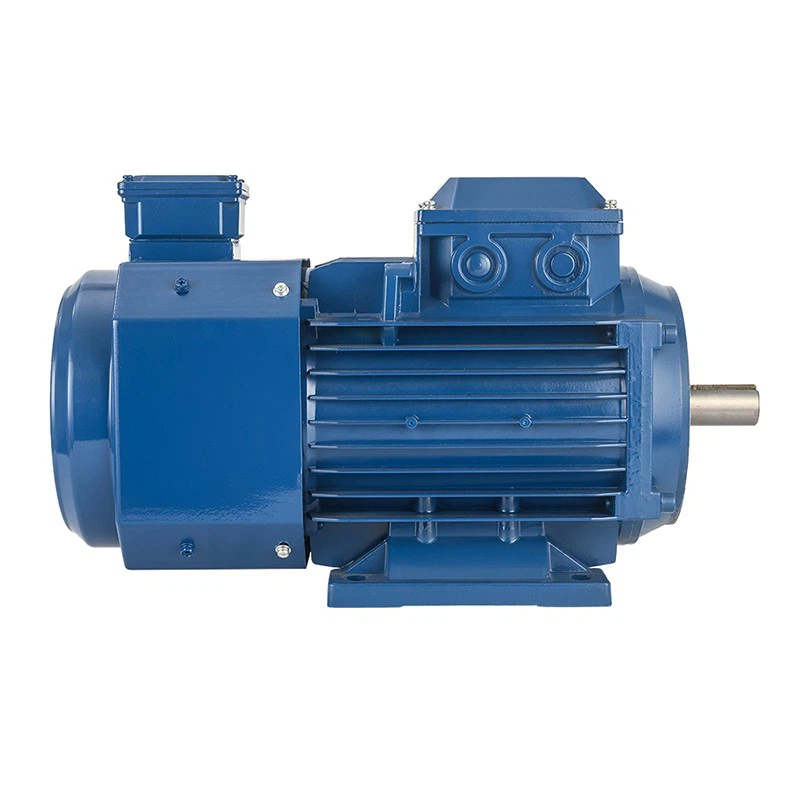
Before we discuss their use in multi-motor drive systems, let's briefly understand what YVF frequency variable motors are. These motors are designed to operate at variable speeds by adjusting the frequency of the power supply. They offer several advantages over traditional fixed-speed motors, such as energy savings, precise speed control, and reduced mechanical stress.
YVF motors typically use an inverter to convert the incoming AC power to DC and then back to AC with a variable frequency. This allows the motor to run at different speeds according to the load requirements. For example, in a conveyor system, the motor can slow down when the load is light and speed up when more products need to be transported.

The Feasibility of Using YVF Motors in Multi-Motor Drive Systems
The short answer is yes, YVF frequency variable motors can be used in multi-motor drive systems. There are several reasons why this combination can be highly effective:
1. Synchronization and Coordination
One of the key requirements in a multi-motor drive system is the ability to synchronize the operation of multiple motors. YVF motors can be easily controlled to run at the same or different speeds, depending on the application. For instance, in a printing press, multiple motors need to work in harmony to ensure precise printing. By using YVF motors, the speed of each motor can be adjusted accurately, ensuring that the paper feed, printing cylinders, and other components operate in sync.
2. Energy Efficiency
In a multi-motor drive system, different motors may have different load requirements at different times. YVF motors can adjust their speed according to the load, which means they consume less energy compared to fixed-speed motors. For example, in a water treatment plant, pumps and mixers may not need to run at full speed all the time. By using YVF motors, the energy consumption can be significantly reduced, leading to cost savings in the long run.
3. Flexibility
YVF motors offer great flexibility in terms of installation and operation. They can be easily integrated into existing multi-motor drive systems without major modifications. Additionally, they can be controlled remotely, which is especially useful in large industrial facilities where motors are located in different areas.
Types of YVF Motors Suitable for Multi-Motor Drive Systems
There are several types of YVF motors that are well-suited for multi-motor drive systems.
- 2HP 5HP 10HP 20HP Variable Speed Electric Motor: These motors come in different power ratings, making them suitable for a wide range of applications. Whether you need a small motor for a precision control system or a larger one for heavy-duty industrial use, these variable speed electric motors can meet your requirements.
- YVF2 Frequency Control Three-phase Asynchronous Motor: The YVF2 series is designed for frequency control applications. They offer high efficiency, stable performance, and excellent speed regulation. These motors are commonly used in multi-motor drive systems where precise speed control is essential.
- Inverter Adjustable 50Hz 60Hz Three Phase Motor: These motors can operate at different frequencies, which is useful in multi-motor drive systems that need to adapt to different power supplies or load requirements. They are also suitable for international applications where the power grid frequency may vary.
Considerations When Using YVF Motors in Multi-Motor Drive Systems
While YVF motors offer many advantages in multi-motor drive systems, there are also some considerations that need to be taken into account:
1. Inverter Compatibility
Each YVF motor requires an inverter to control its speed. When using multiple YVF motors in a system, it's important to ensure that the inverters are compatible with each other. They should be able to communicate and coordinate the operation of the motors effectively. In some cases, a master-slave configuration may be used, where one inverter acts as the master and controls the other inverters.
2. Electrical Interference
Multiple inverters in a multi-motor drive system can generate electrical interference, which may affect the performance of other electrical equipment. To minimize this issue, proper grounding and shielding techniques should be used. Additionally, filters can be installed to reduce the electromagnetic interference (EMI).
3. Motor Protection
In a multi-motor drive system, it's important to protect each motor from overheating, overcurrent, and other faults. The inverters should be equipped with appropriate protection functions, such as thermal protection and short-circuit protection. Regular maintenance and monitoring are also necessary to ensure the reliable operation of the motors.
Conclusion
In conclusion, YVF frequency variable motors can be effectively used in multi-motor drive systems. They offer synchronization, energy efficiency, and flexibility, making them a great choice for a wide range of applications. However, it's important to consider the inverter compatibility, electrical interference, and motor protection when designing and implementing such a system.
If you're interested in using YVF frequency variable motors in your multi-motor drive system, I encourage you to reach out for a detailed discussion. Our team of experts can provide you with the right solutions and support to ensure the successful implementation of your project. Whether you need advice on motor selection, system design, or installation, we're here to help.
References
- Electric Motors and Drives: Fundamentals, Types, and Applications by Austin Hughes
- Variable Frequency Drives: Selection, Application, and Maintenance by William C. Hendershot Jr.


