

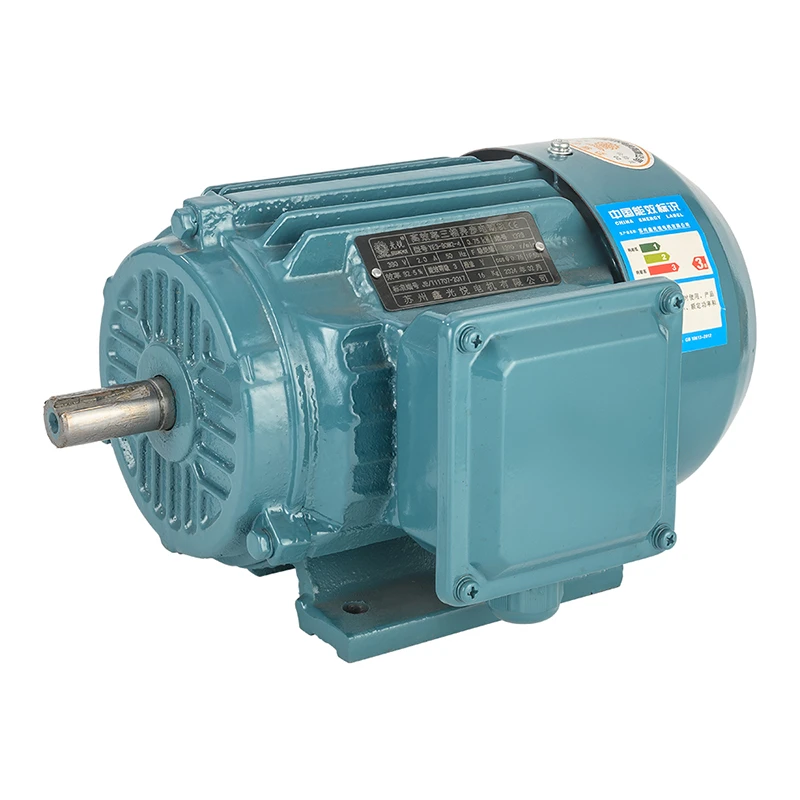
As a supplier of three-phase AC motors with a specification of 7.5 Hp, 1440 Rpm, and 5.5 Kw, I often encounter inquiries from customers regarding the suitability of these motors for hazardous environments. This blog post aims to delve into this crucial question, providing in-depth insights based on scientific knowledge and industry standards.
Understanding Hazardous Environments
Hazardous environments are areas where there is a presence of flammable gases, vapors, dusts, or fibers that can potentially ignite and cause an explosion or fire. These environments are classified into different zones based on the likelihood and duration of the presence of the hazardous substances. For example, in the case of gas and vapor environments, Zone 0 is an area where an explosive gas - air mixture is present continuously or for long periods; Zone 1 is where such a mixture is likely to occur in normal operation; and Zone 2 is where an explosive gas - air mixture is not likely to occur in normal operation and, if it does occur, will exist only for a short time.
Dust environments are also classified. Zone 20 is an area where combustible dust is present continuously, or for long periods or frequently; Zone 21 is where combustible dust is likely to occur in normal operation; and Zone 22 is where combustible dust is not likely to occur in normal operation and, if it does occur, will exist only for a short time.
Characteristics of the 7.5 Hp, 1440 Rpm, 5.5 Kw Three - Phase AC Motor
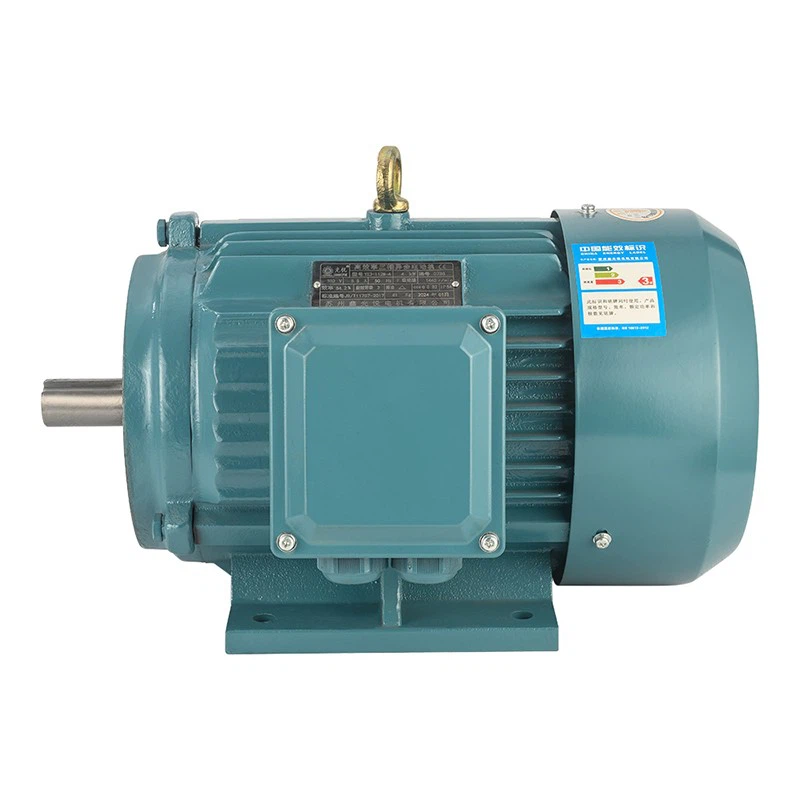
Our three - phase AC motor with 7.5 Hp, 1440 Rpm, and 5.5 Kw is designed to provide reliable power for a wide range of industrial applications. It features high efficiency, stable performance, and a relatively long service life. The motor operates based on the principle of electromagnetic induction, where the rotating magnetic field in the stator interacts with the rotor to produce torque.
However, in its standard configuration, this motor may not be suitable for hazardous environments. The normal operation of the motor can generate heat, sparks, and arcs, especially in the areas such as the brushes (in the case of some types) and the electrical connections. These heat sources and sparks can potentially ignite the flammable substances present in a hazardous environment, leading to a dangerous situation.
Safety Requirements for Motors in Hazardous Environments
To be used in hazardous environments, motors must meet specific safety requirements. These requirements are established by international and national standards, such as the International Electrotechnical Commission (IEC) standards and the National Electrical Code (NEC) in the United States.
One of the key requirements is the prevention of ignition sources. Motors need to be designed in such a way that they do not produce sparks, arcs, or excessive heat that could ignite the surrounding hazardous substances. This can be achieved through various techniques, such as encapsulation, where the electrical components are sealed in a protective casing to prevent the release of sparks or heat; or by using explosion - proof enclosures, which are designed to contain any internal explosion and prevent it from spreading to the outside environment.
Another important requirement is the selection of appropriate materials. The motor should be made of materials that are resistant to corrosion and mechanical damage, as well as non - sparking materials in areas where there is a risk of impact or friction.
Modifications for Hazardous Environment Use
If a customer wants to use our 7.5 Hp, 1440 Rpm, 5.5 Kw three - phase AC motor in a hazardous environment, we can offer several modifications. Firstly, we can provide explosion - proof enclosures for the motor. These enclosures are designed to withstand the pressure of an internal explosion and prevent the propagation of the explosion to the surrounding environment. They are typically made of strong materials such as cast iron or stainless steel and are carefully sealed to prevent the ingress of hazardous substances.
Secondly, we can use special insulation materials that have a high resistance to heat and chemical corrosion. These materials can help to reduce the risk of electrical breakdown and the generation of sparks. Additionally, we can install temperature sensors and overload protection devices to monitor the motor's operating conditions and prevent overheating.
Examples of Hazardous Environment Applications
There are many industries where our modified motors can be used. In the oil and gas industry, for example, motors are required to operate in areas where there is a risk of gas leakage. Our explosion - proof motors can be used in pumps, compressors, and other equipment in oil refineries, offshore platforms, and petrochemical plants.
In the food and beverage industry, where there is a risk of combustible dust, our motors can be used in mixers, conveyors, and other processing equipment. By using motors that meet the safety requirements for dust - hazardous environments, companies can ensure the safety of their operations and protect their workers.
Related Products in Our Catalog
In addition to our 7.5 Hp, 1440 Rpm, 5.5 Kw three - phase AC motor, we also offer a range of other motors suitable for different applications. You can check out our Low Rpm Electric Motor Three Phase Electric Motor, which is designed for applications that require low - speed and high - torque operation. Another option is our YE2 - 80M2 - 4 1HP Three Phase Electric Motor, which is a compact and efficient motor suitable for small - scale industrial applications. We also have High Efficiency Copper Winding Washing Machine Motor, which is known for its high efficiency and reliable performance in washing machine applications.
Conclusion
In conclusion, a standard 7.5 Hp, 1440 Rpm, 5.5 Kw three - phase AC motor is not suitable for use in a hazardous environment. However, with appropriate modifications and compliance with safety standards, it can be made suitable for such environments. At our company, we have the expertise and resources to provide customized solutions for customers who need motors for hazardous environments.
If you are interested in our products and have specific requirements for using motors in hazardous environments, we encourage you to contact us for further discussion and procurement. Our team of experts will be happy to assist you in finding the most suitable motor solution for your needs.
References
- International Electrotechnical Commission (IEC) standards on electrical equipment for hazardous areas.
- National Electrical Code (NEC) in the United States.
- Industry publications on motor safety in hazardous environments.


